
Also available in:
 Ελληνικά
Access to the gorge of Neda
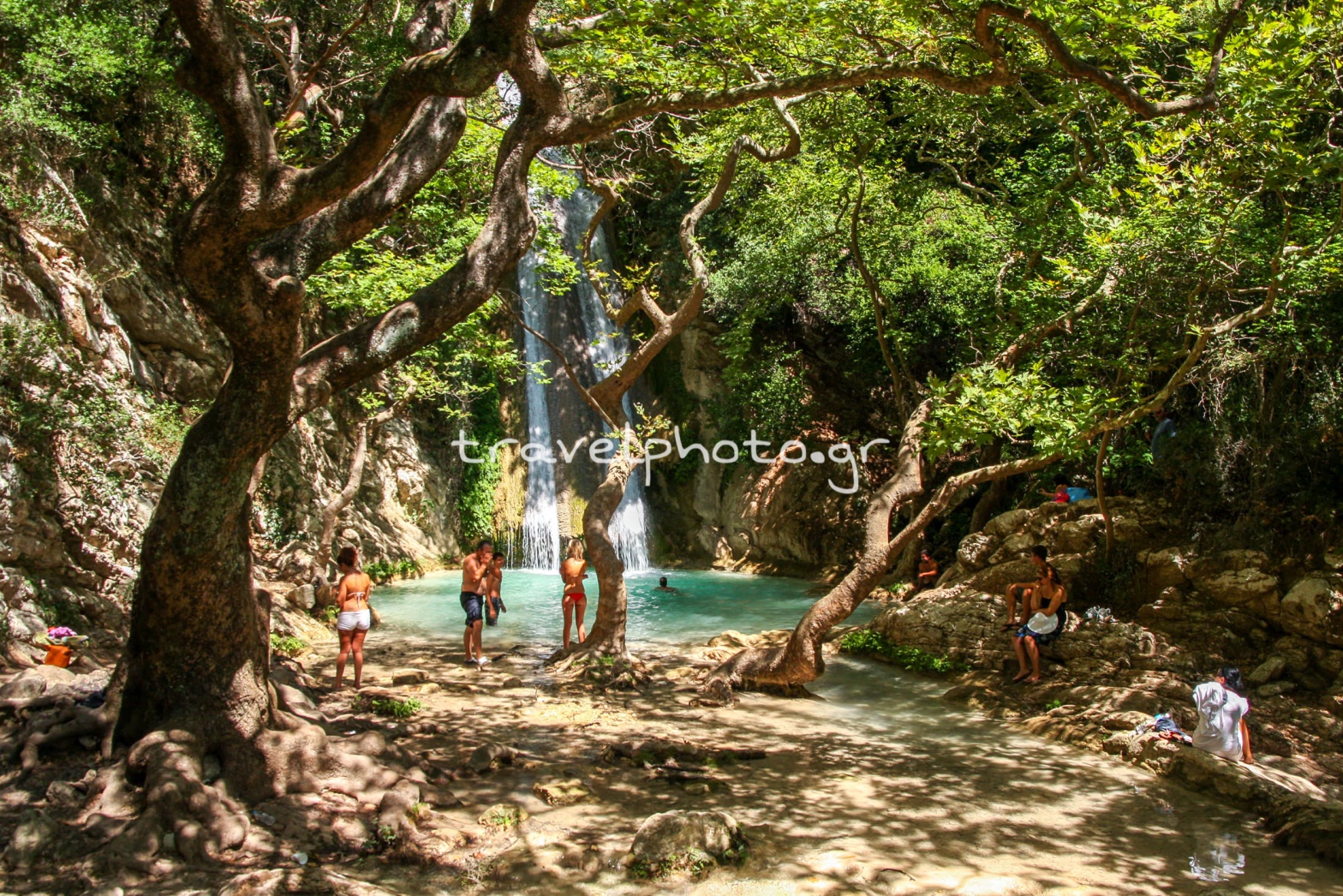
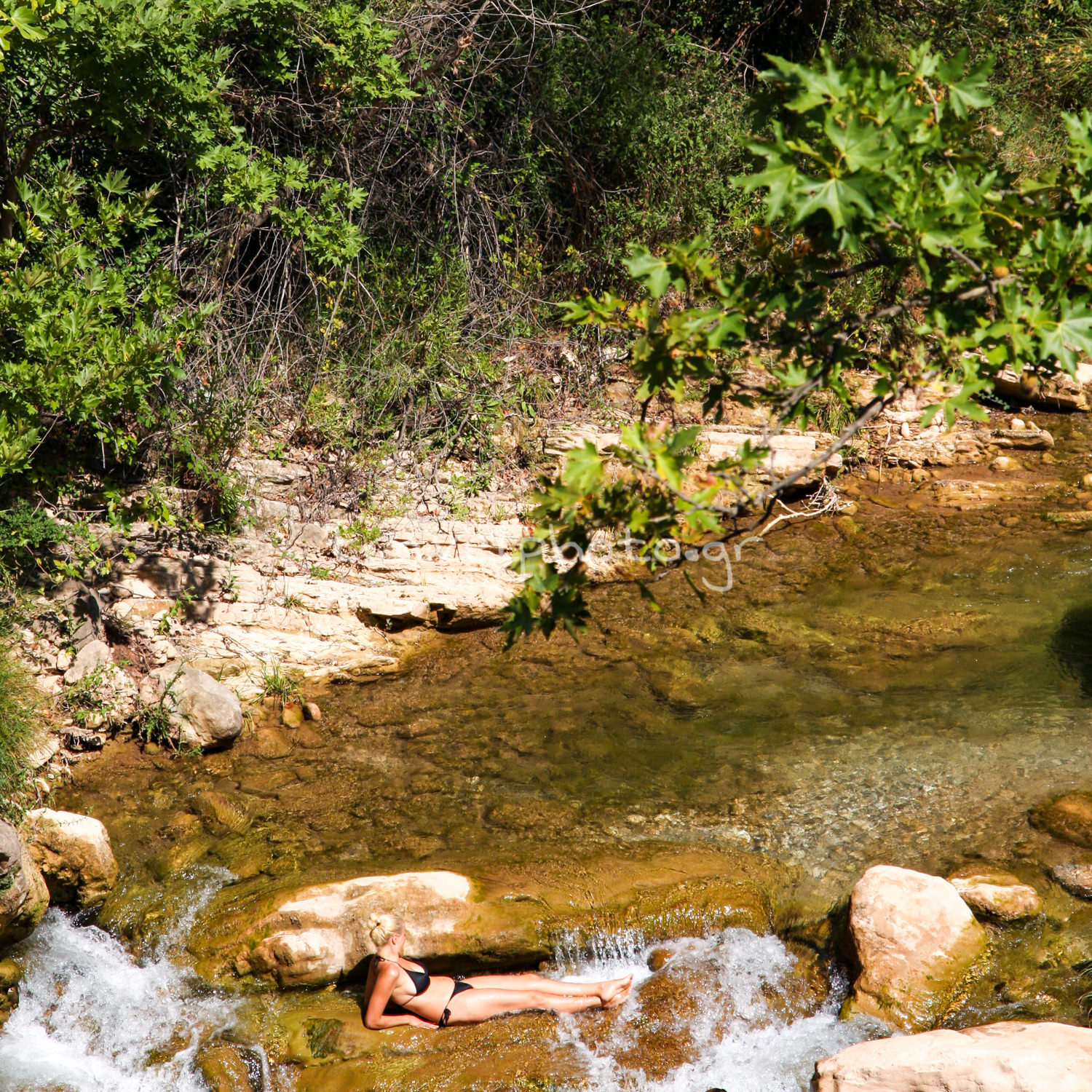
We visited the beautiful gorge of Neda during our stay in the Finikounda in the middle of August. It was a worthwhile day trip as, despite the 210 kilometres we covered (return), many of which were difficult with many bends and narrow passages, the experience of bathing in the waters of the river Neda and the waterfalls that fall into it will reward you with more than enough.
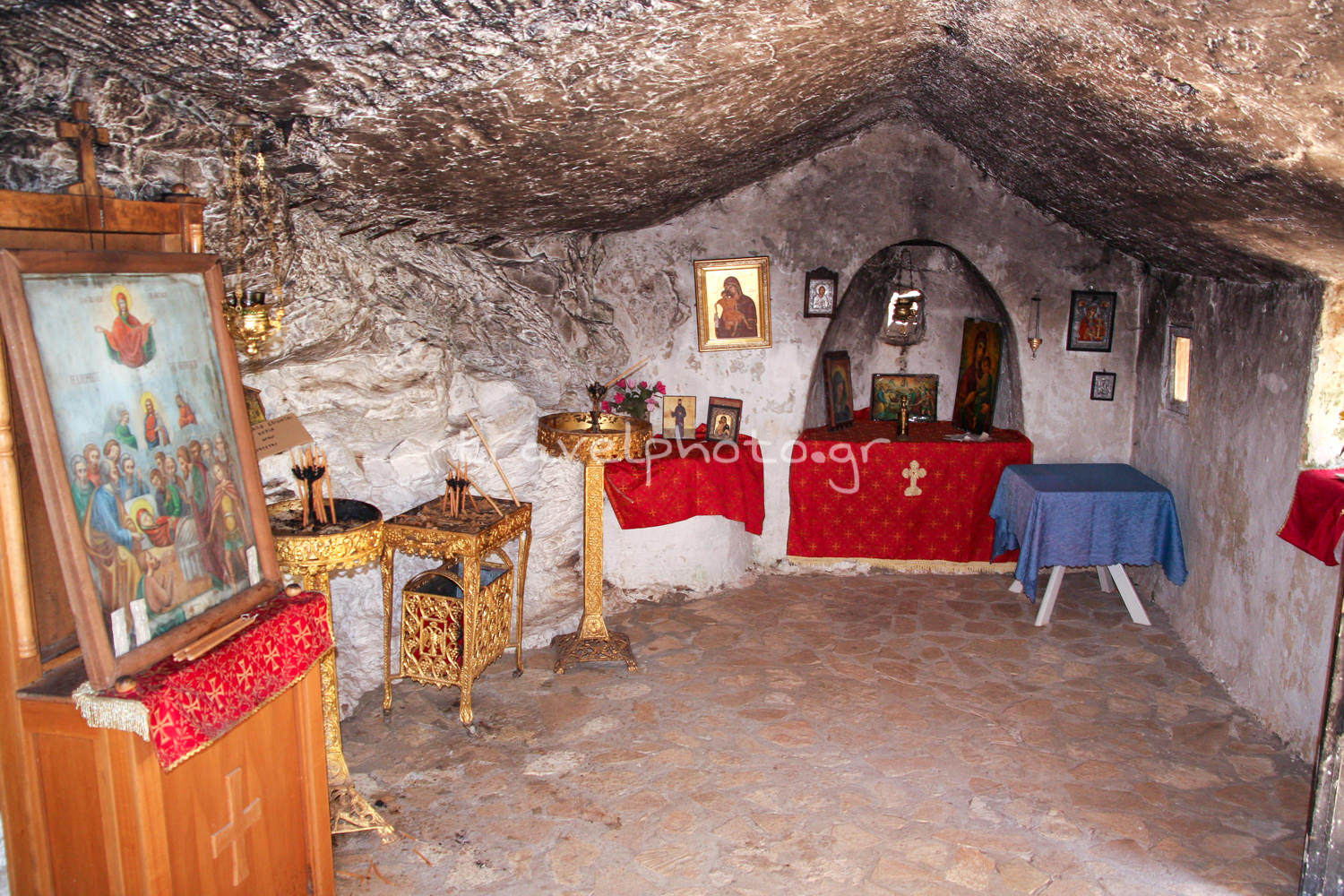
Since we had only one day at our disposal and the difficult way back to Finikounda, we chose to see a small part of the gorge but with perhaps the most interesting places such as the big waterfall, the stone bridge, Stomio, the chapel of Panagia and others.
Photos from the Neda Gorge | Map of the gorge | Accommodation in Messinia
The distance from the Finikounda to the point we have marked on the map is 105 km. So you start in the direction of Pylos, passing out of Methoniand from Pylos following the provincial road Kyparissia – Pylos you pass successively through Marathopolis, Filiatra and Kyparissia.
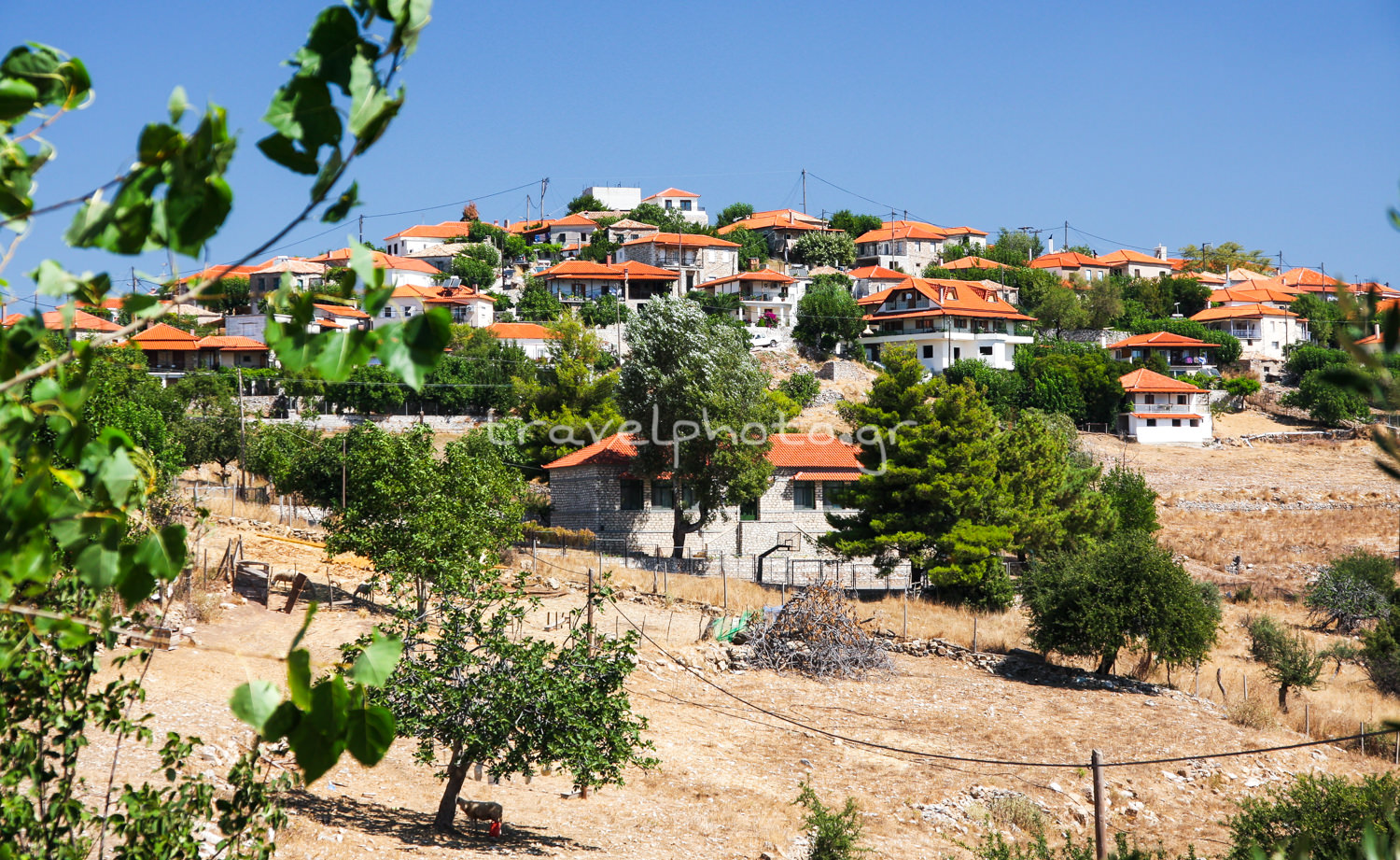
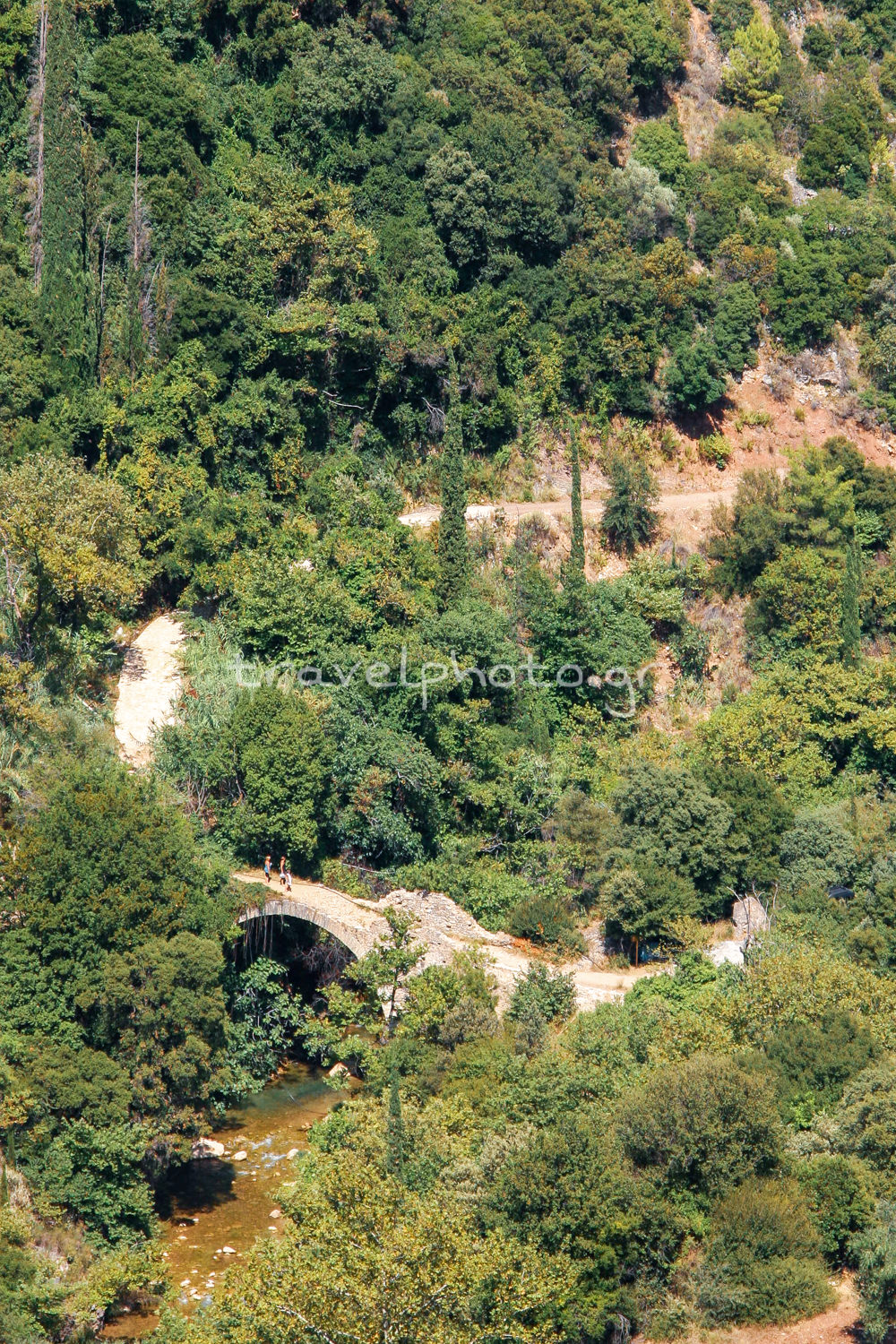
From Kyparissia you will take the EO Pyrgos-Kyparissia road and after some km you will turn right towards Sidirokastro (preceded by the village of Agaliani). From there you will pass through Avlona and the last village before the dirt road that will lead you to the stone bridge of Neda is Platanias.
The myth of the Neda Gorge
Neda was the nymph to whom Rhea entrusted her son Zeus in order to save him from the fury of Cronus who ate his children so that no one could later challenge his sovereignty and want to take the throne of the leader of the Titans.
Neda , who was also a deity of waters, successfully undertook this difficult burden and kept Zeus by washing and bathing him on Mount Lycaeon, from which the river Neda (one of the two rivers with a female name, the other is considered to be Arapitsa in Naoussa).
In the gorge of Neda
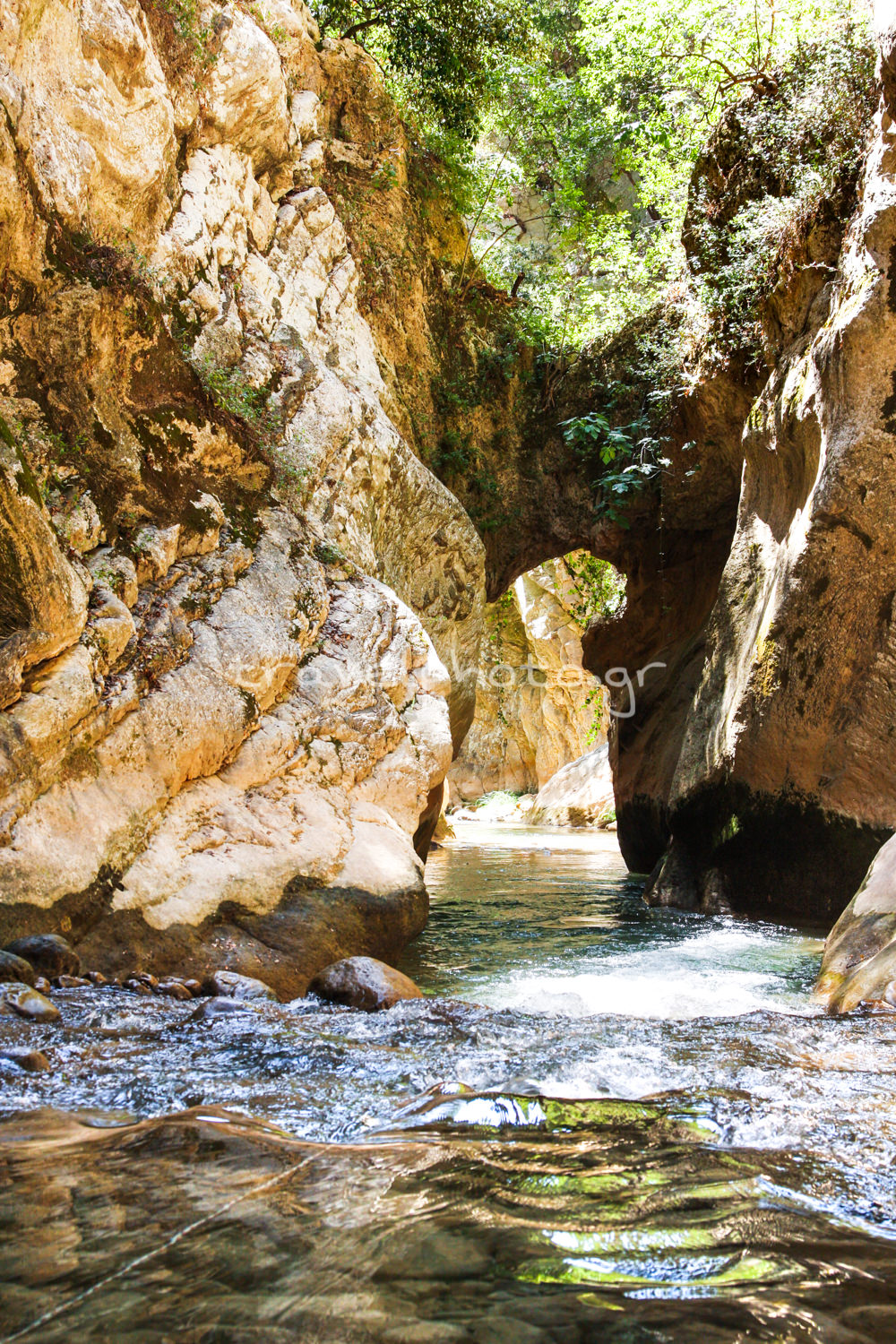
After returning to the mortal way, after the stone bridge you can follow the path to the left in order to reach the heart of the gorge.
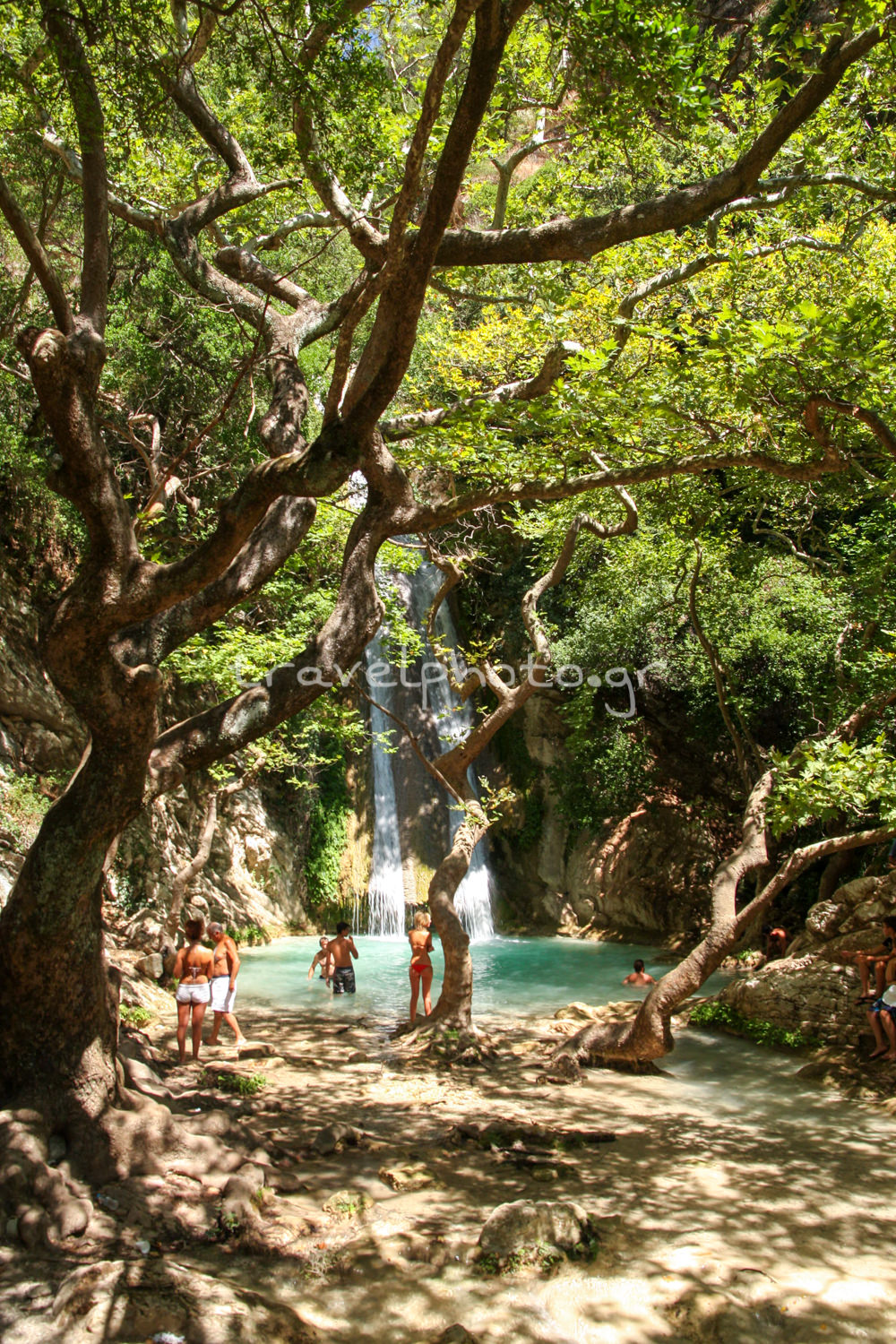
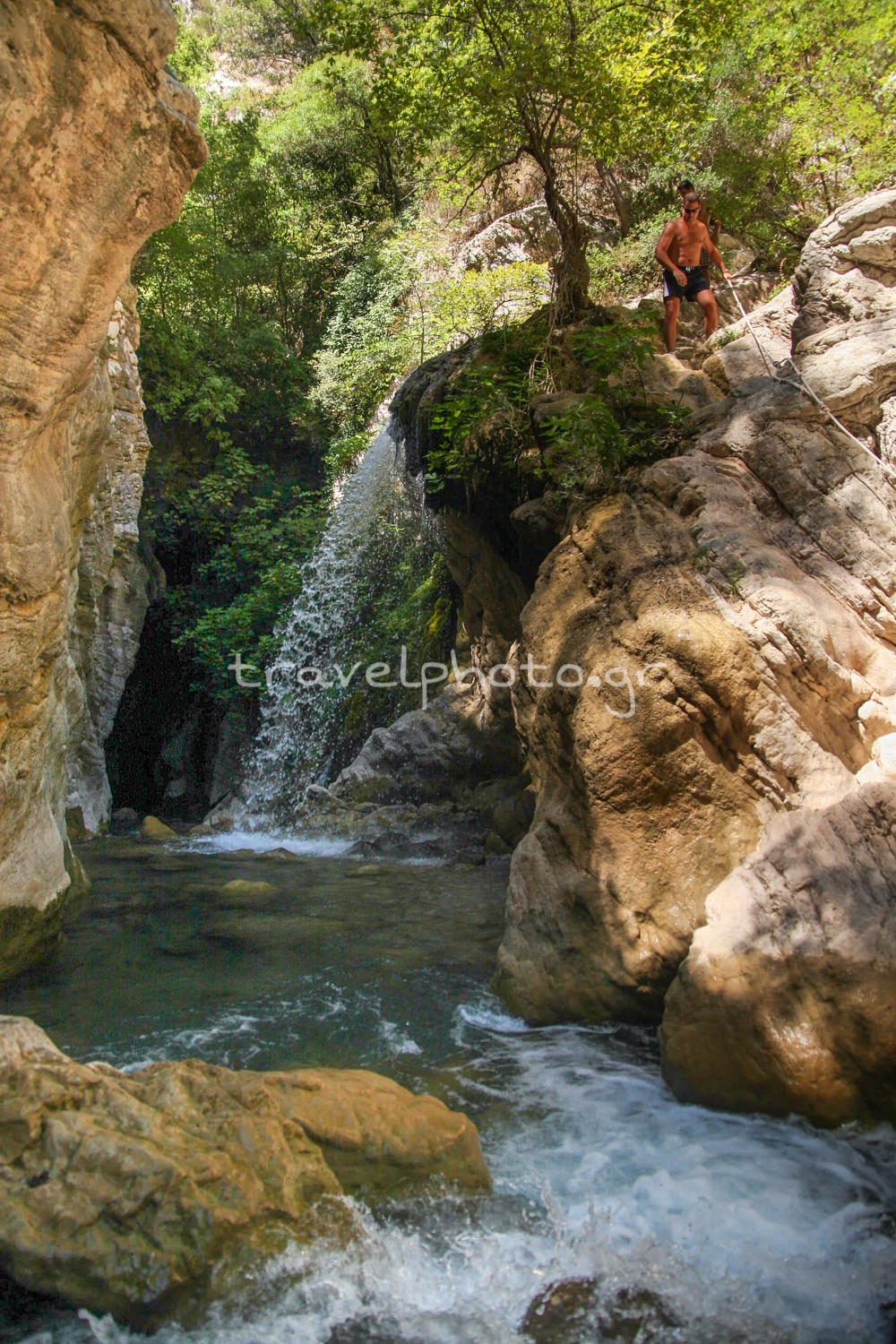
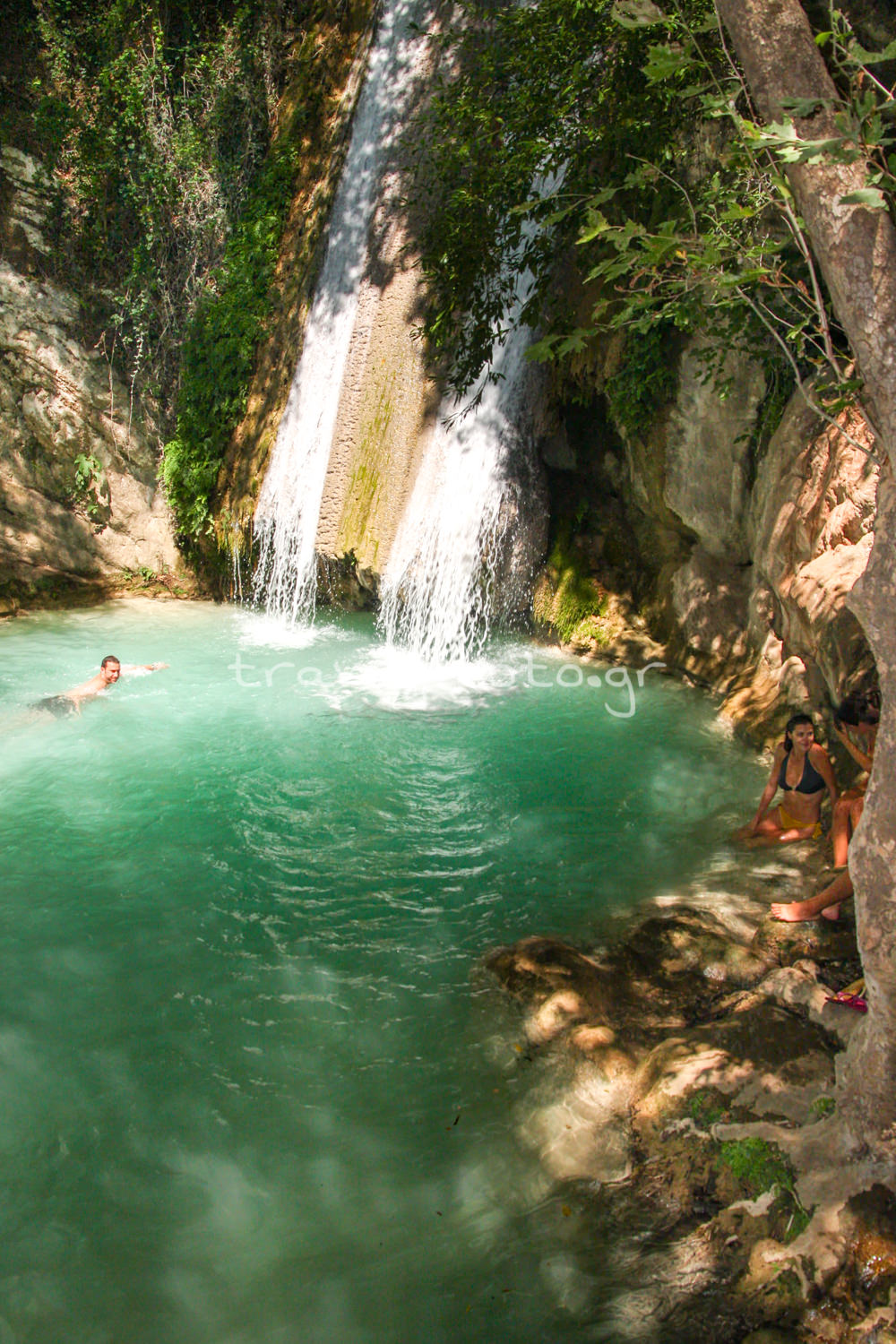
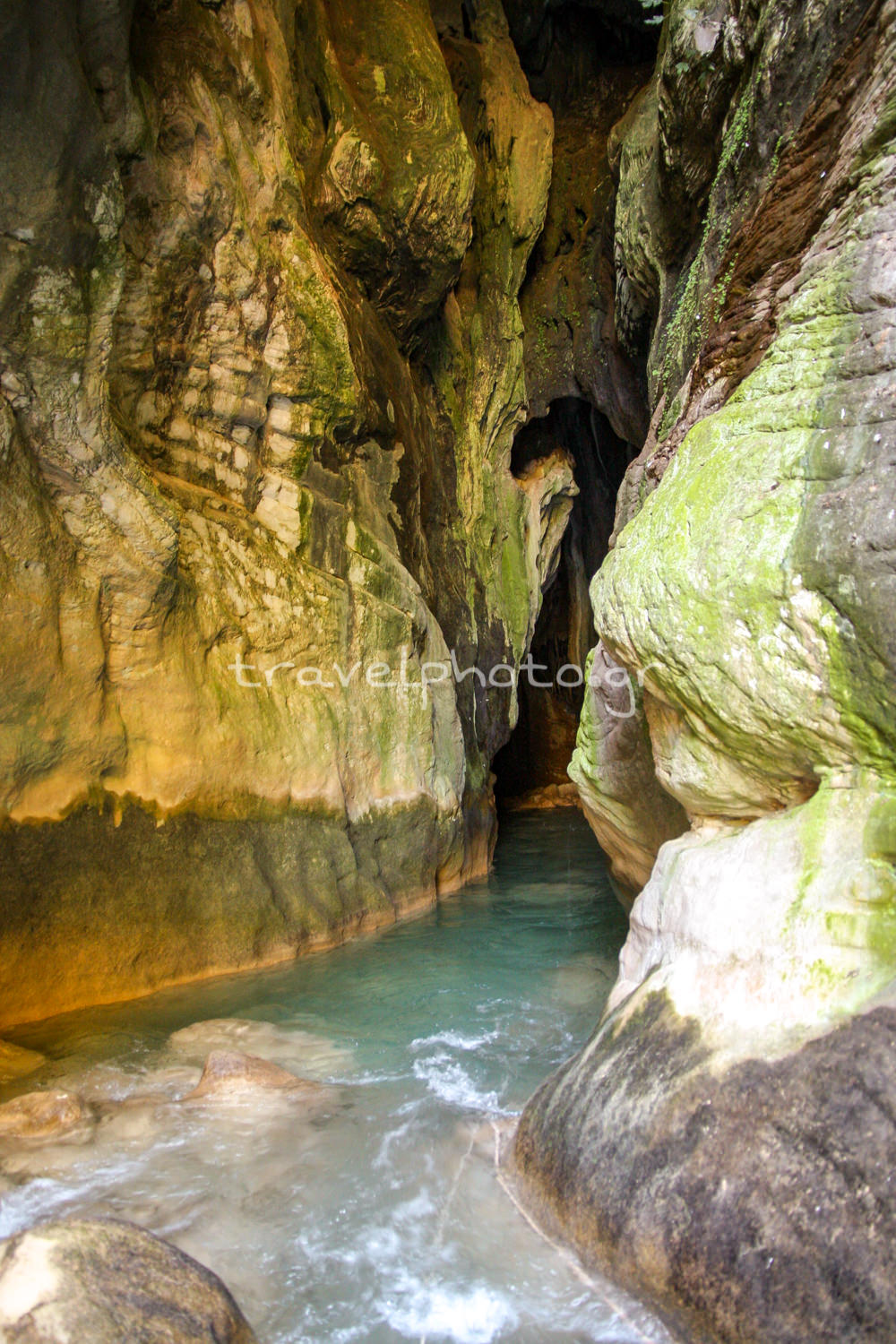
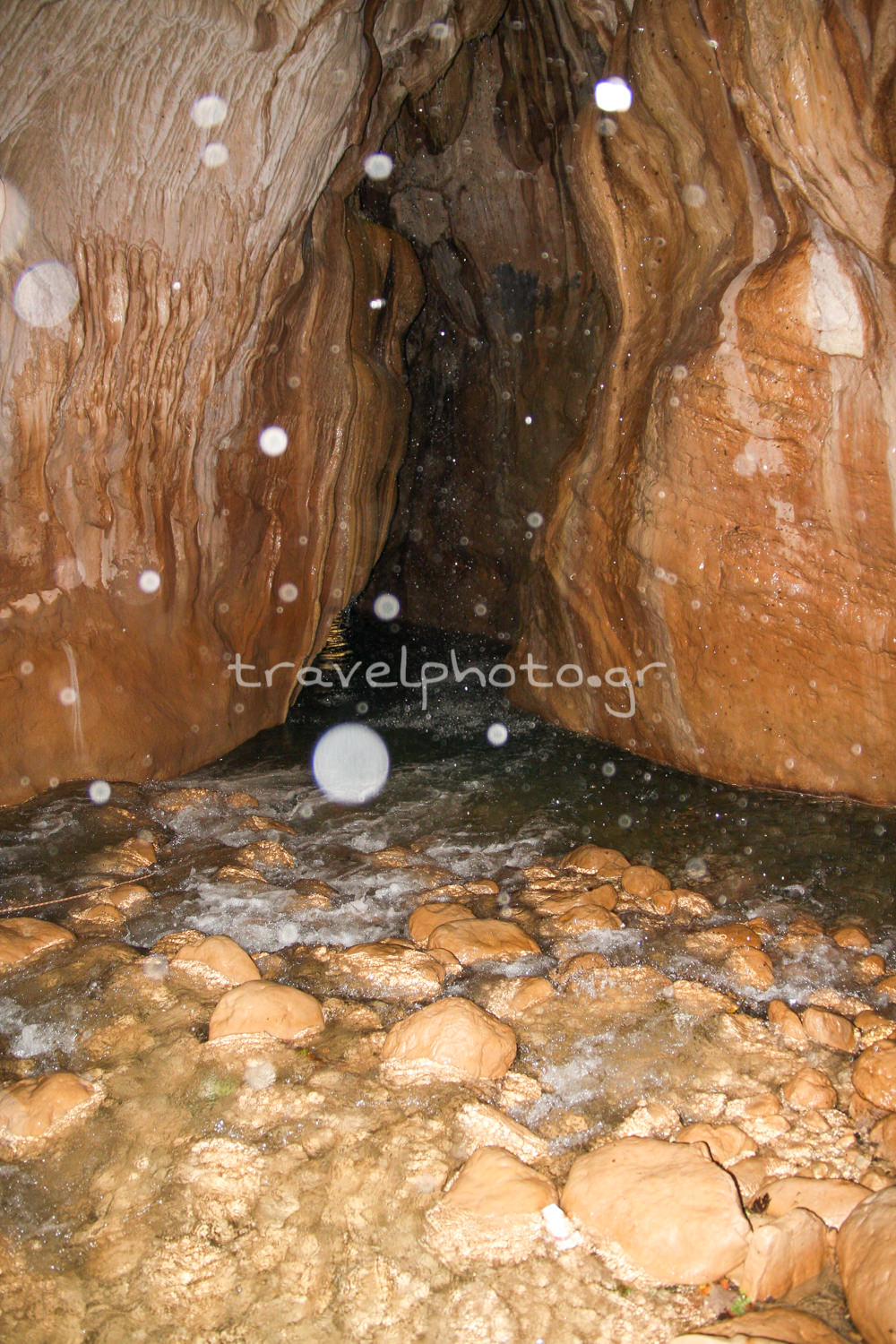
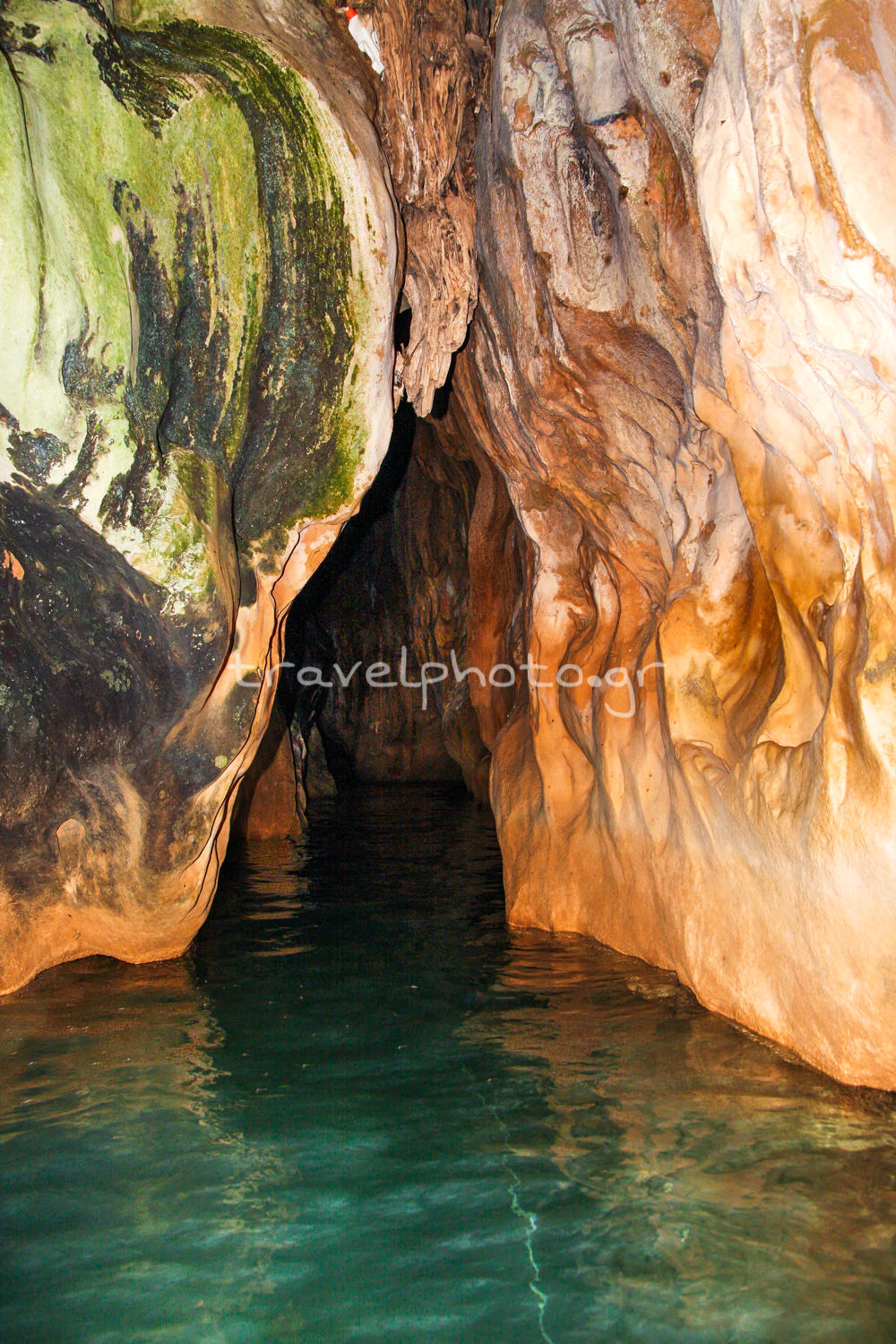
Towering trees will keep you in shade all the way to the narrowest part of the gorge and the point of the cave through which the river passes and the Stomio which is a large dark tunnel in which the river “disappears”. You will find the way to this point down to the left of the first waterfall with a small pond that usually has turquoise murky water.
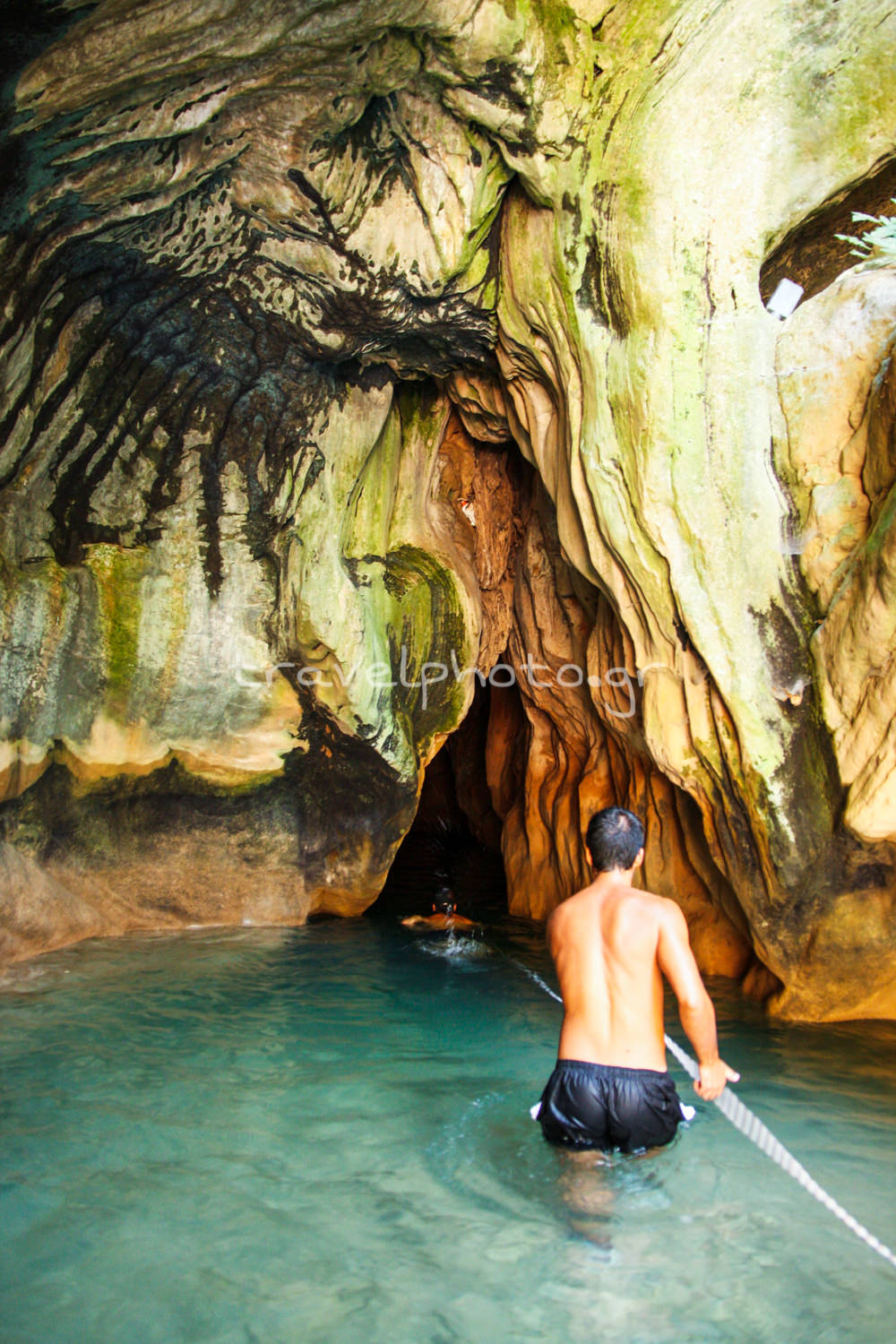
To get down to the river bank you have to grab the ropes that will lead you a few meters down to the icy waters of the Neda (that’s how it was in August 2009). You don’t need experience in climbing but it’s not the easiest thing you will have done and of course it requires a lot of care not to slip.
From there on, you will be under the small waterfall before the cave in which you can enter in order to swim about 100 meters through a dark natural tunnel, the Stomio (the edge of which you will almost always see) to come out on the other side at the other end.

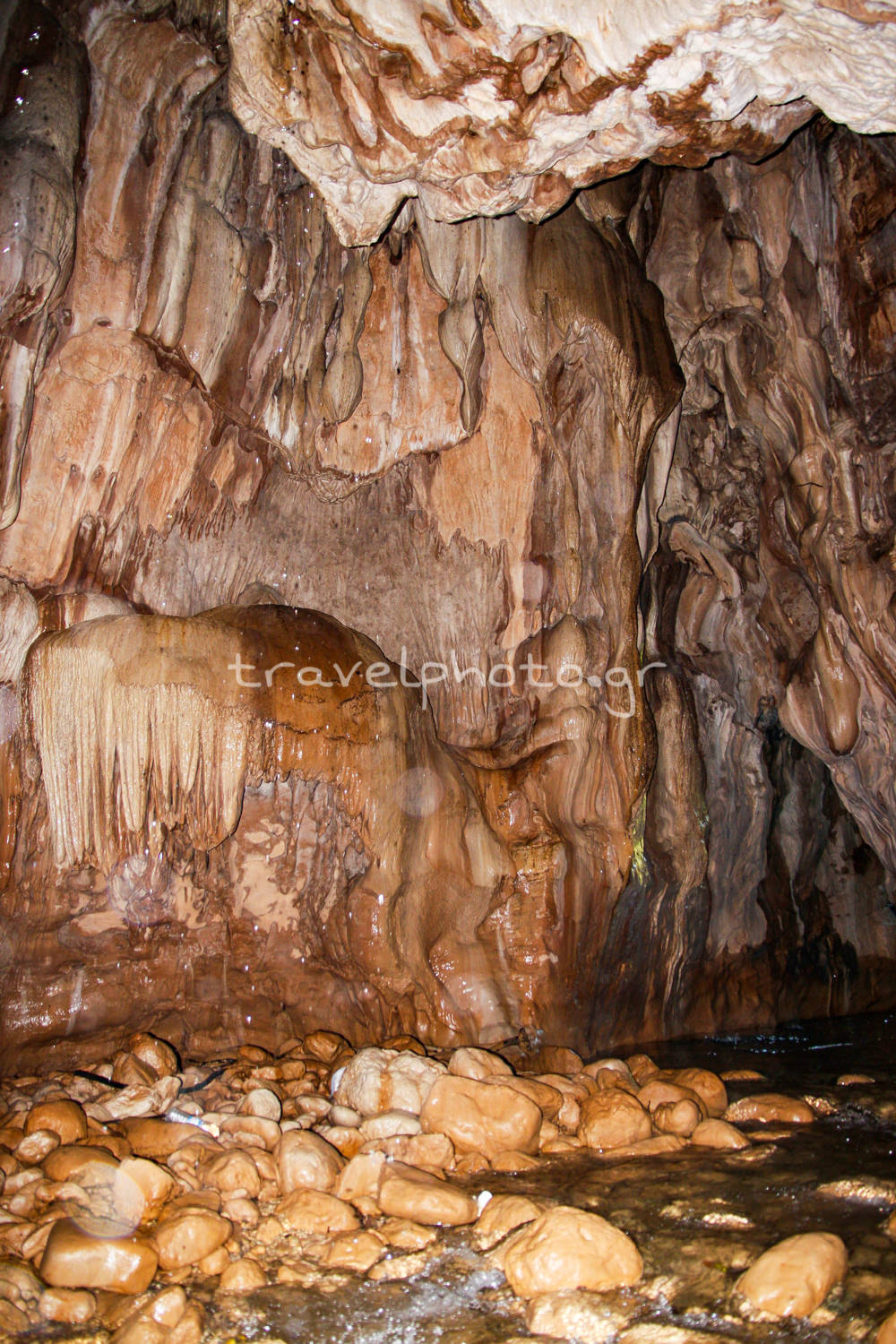
It is a unique experience that requires swimming even in pristine waters until you come out the other side. For the return trip and because the river will be against the flow , it is advisable to have a waterproof bag in which you can put the things you don’t want to get wet and which you can carry on your back in order to swim the necessary meters against the flow of the Neda river until you come out on the big slippery pebbles of the cave.
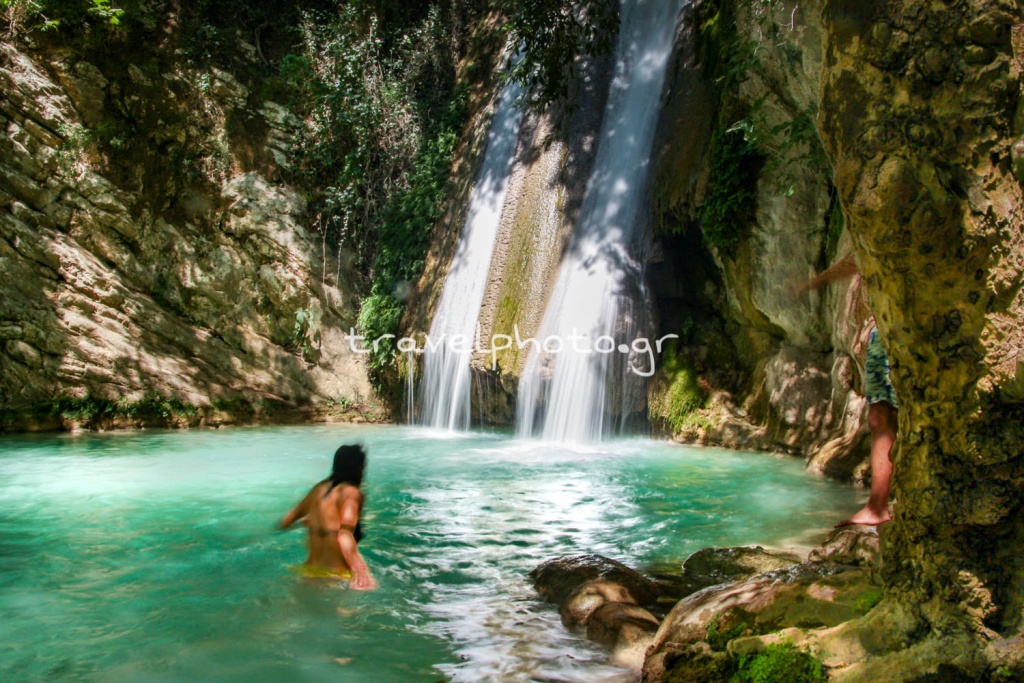
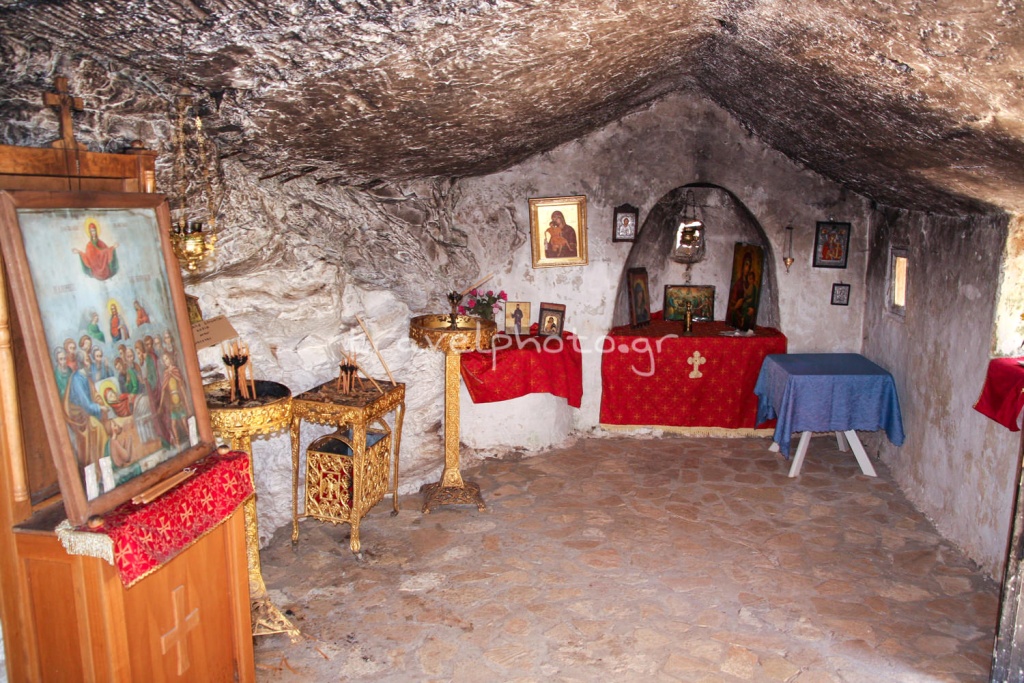
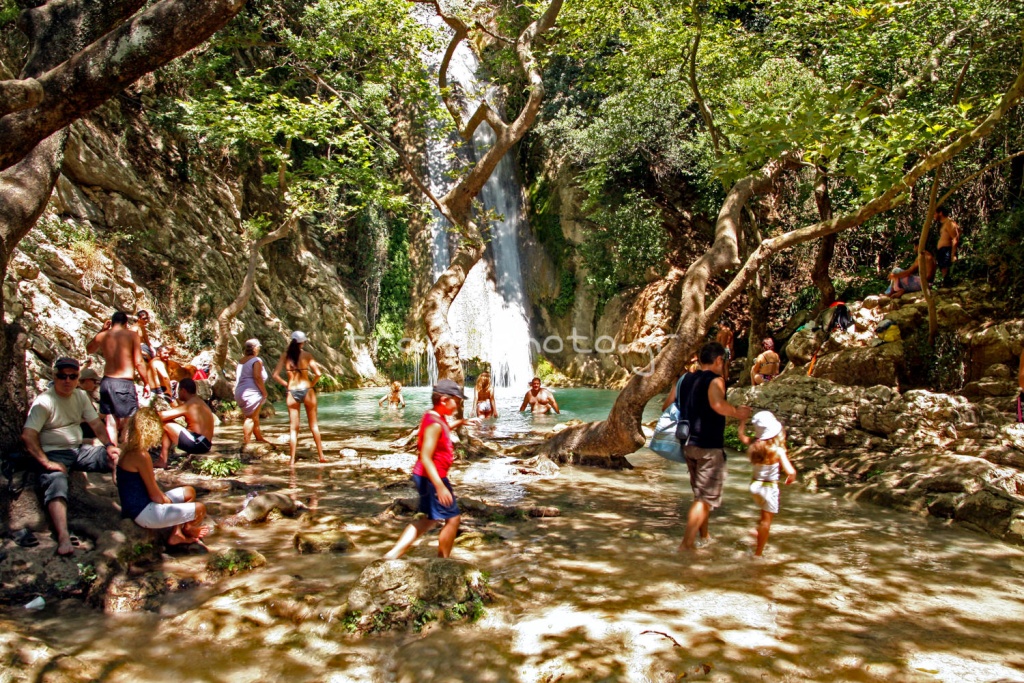
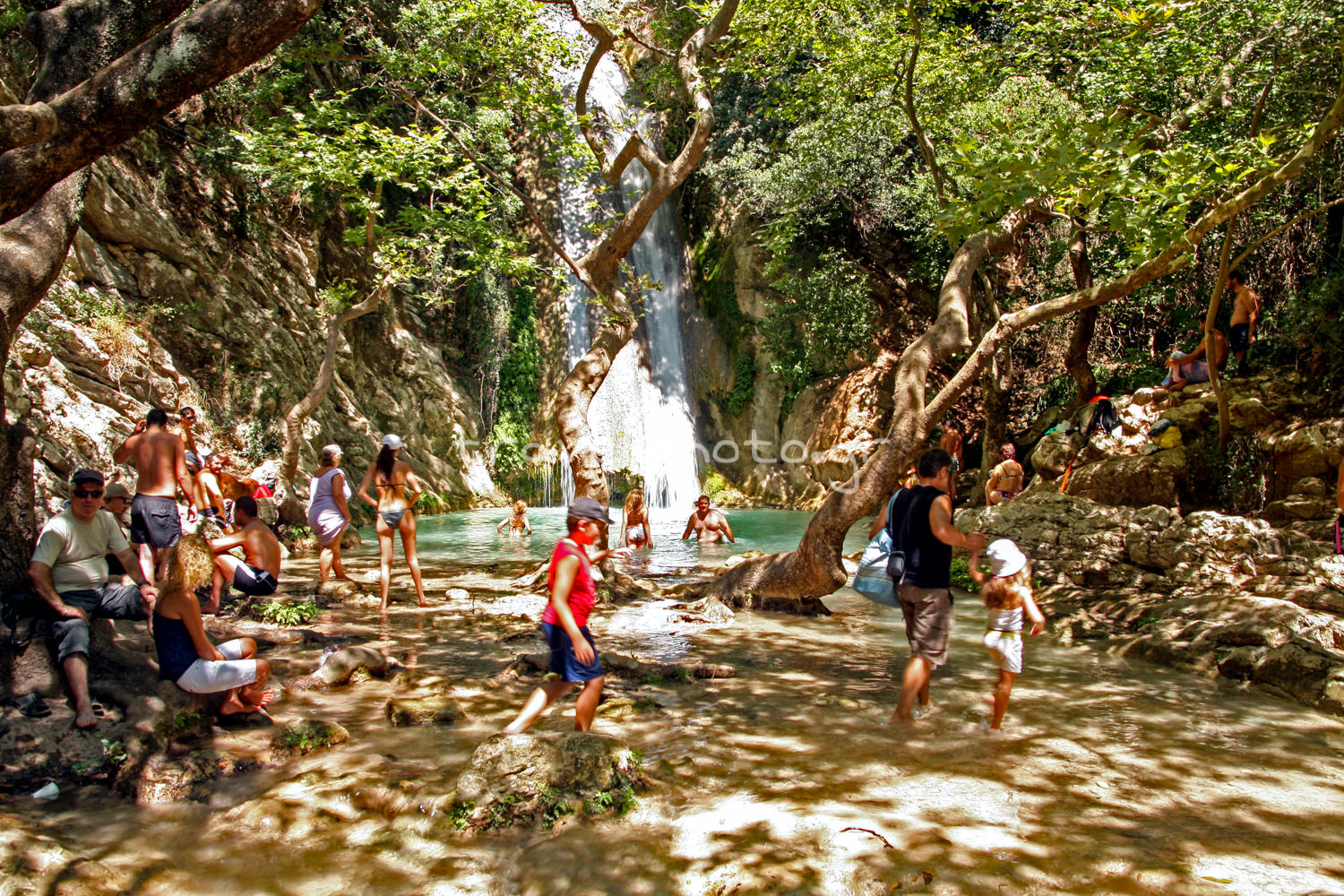
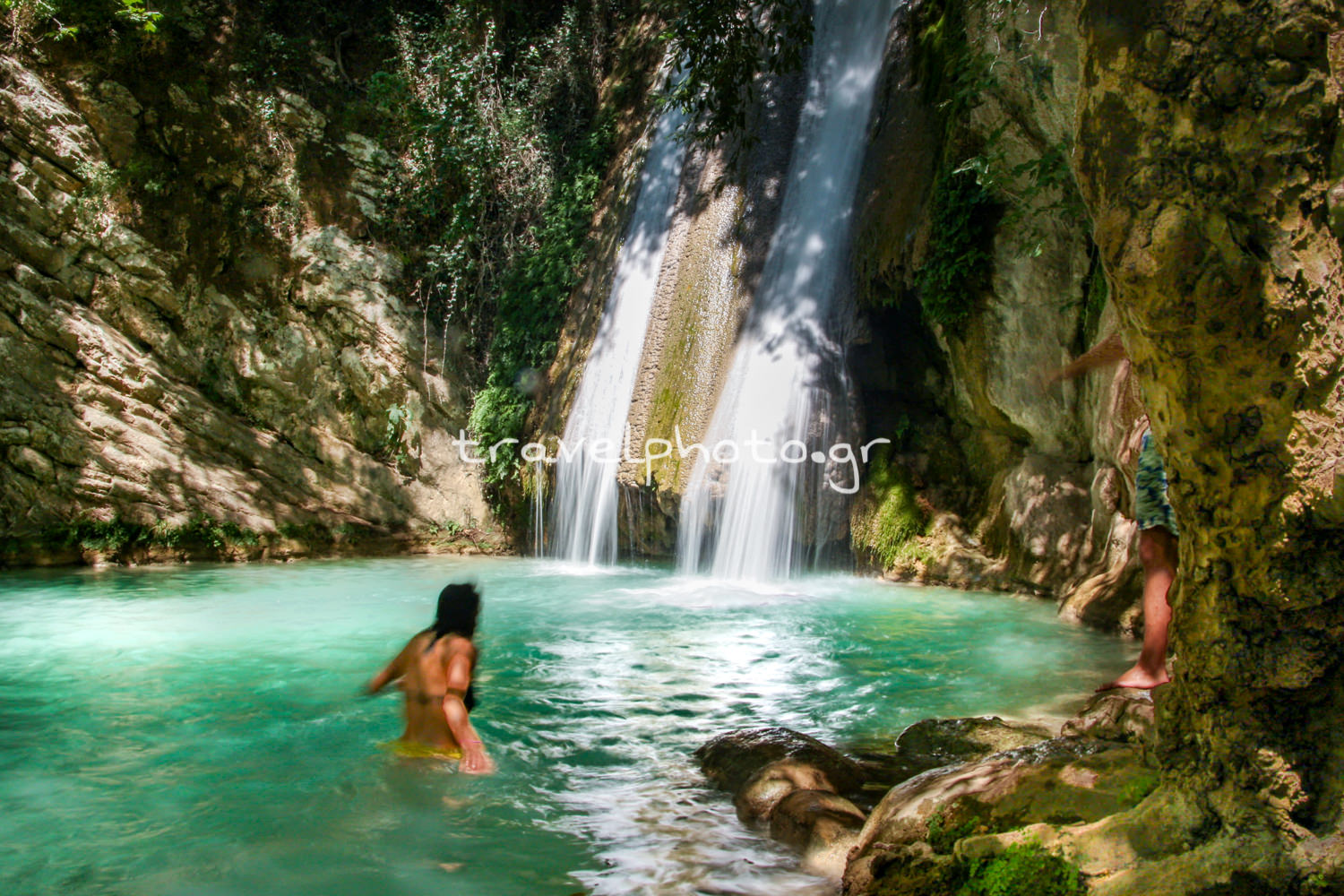
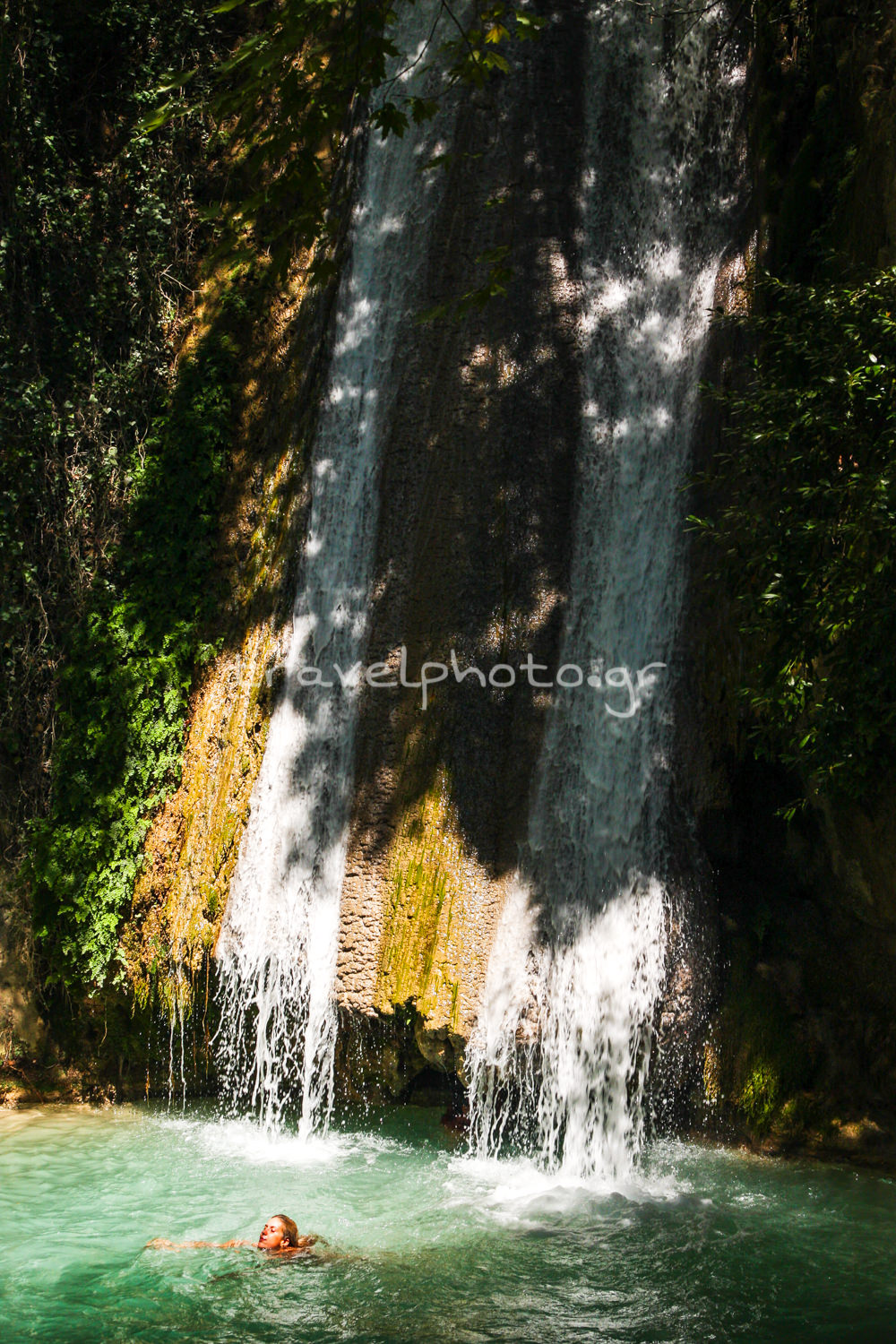
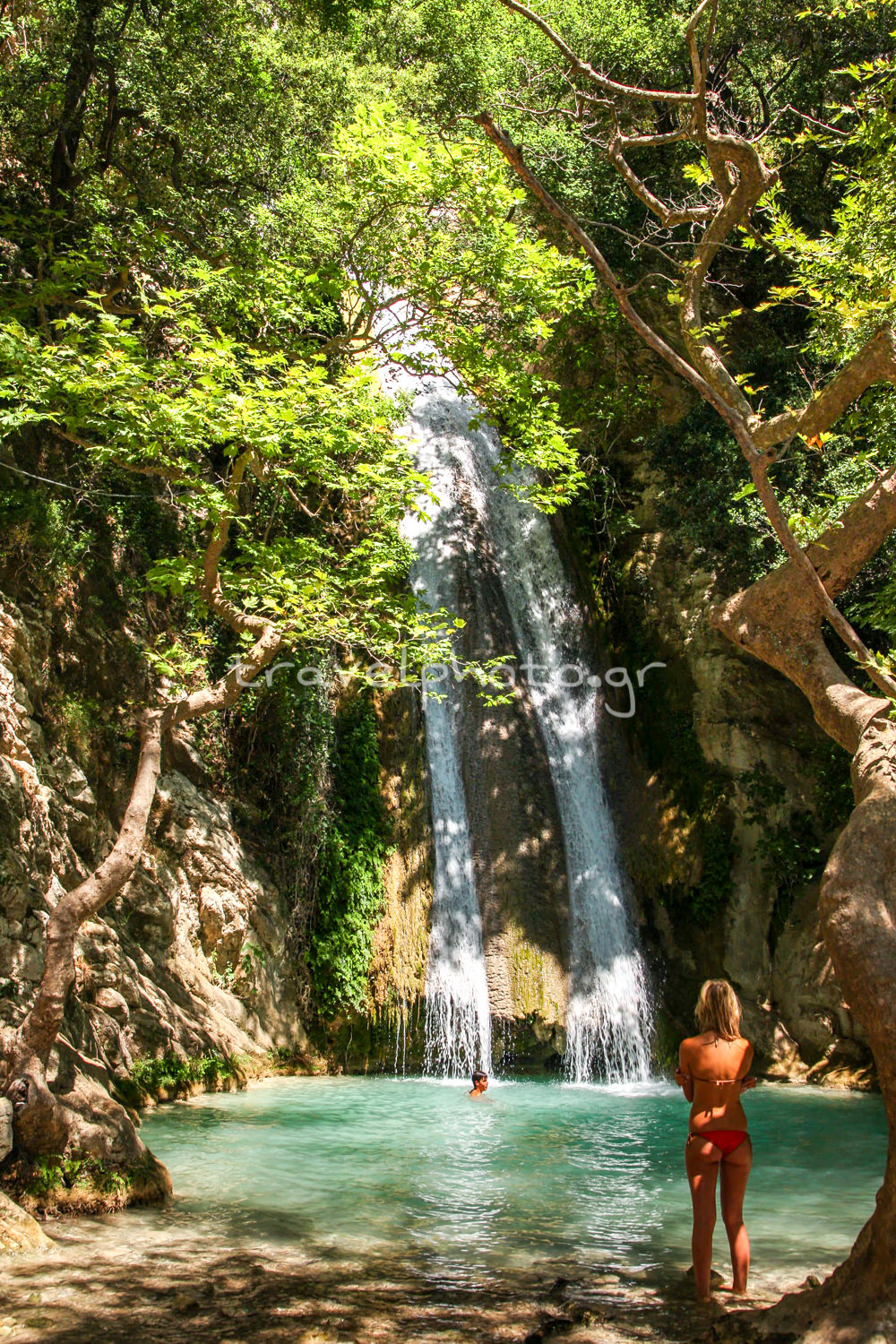
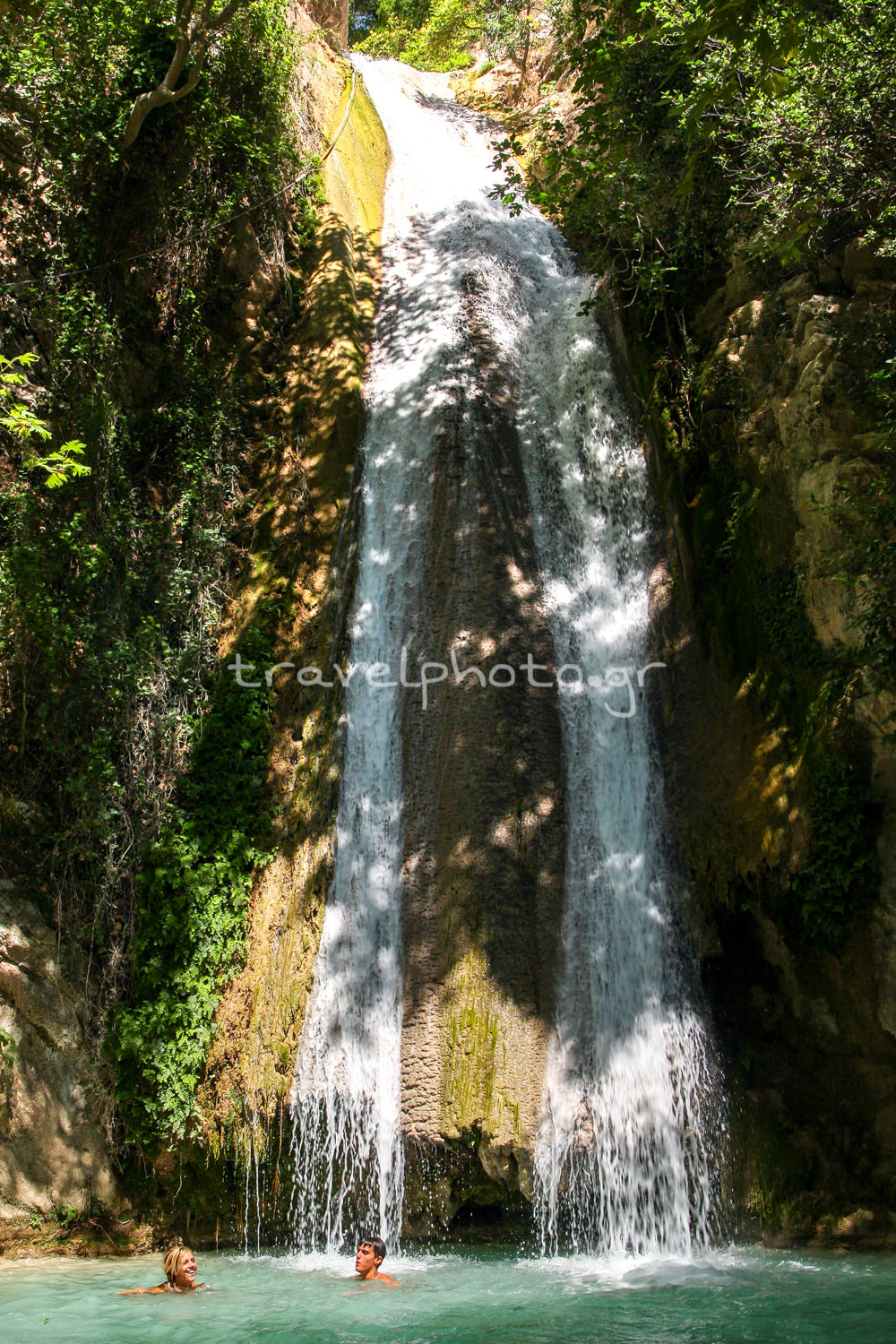
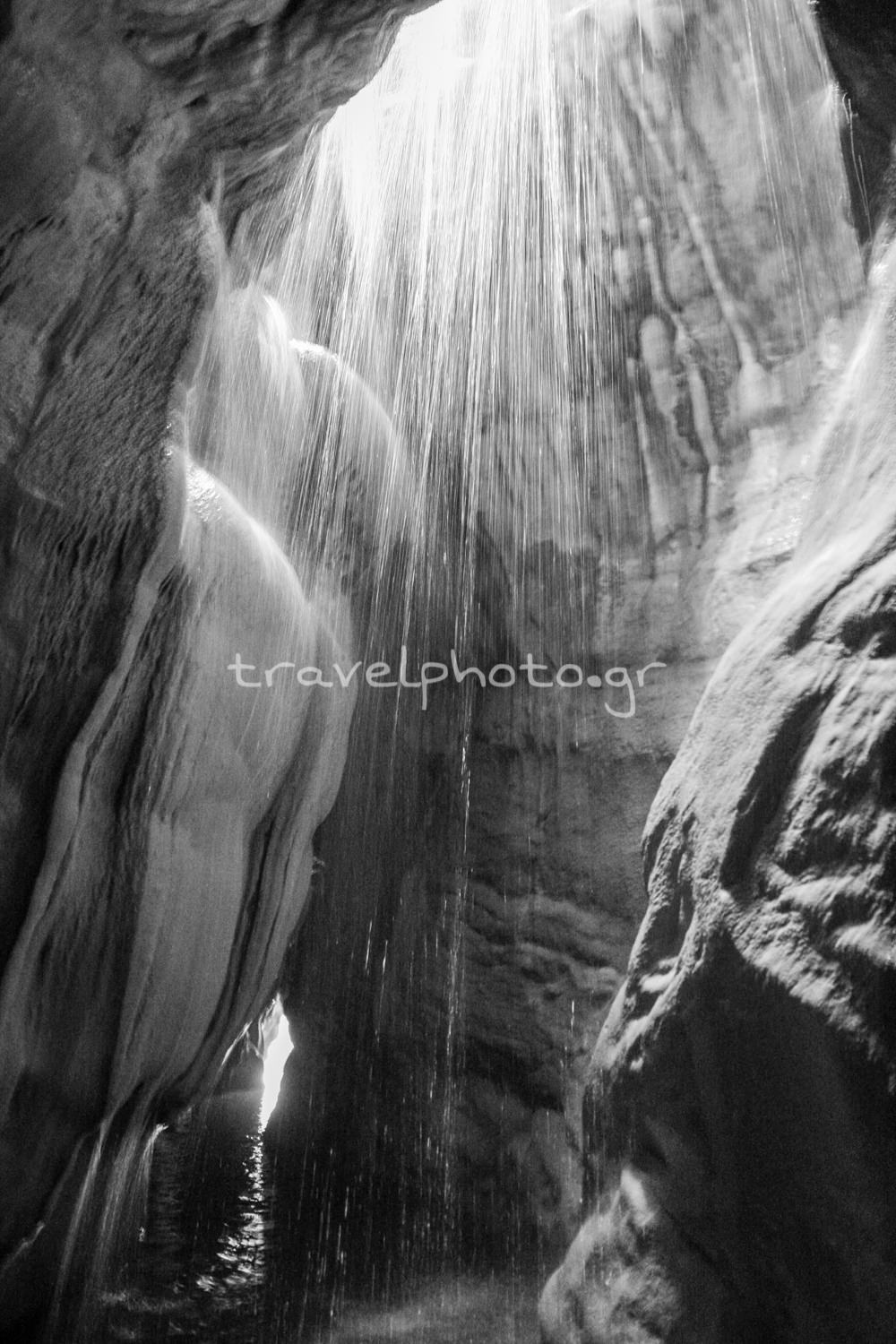
Much easier but equally beautiful and necessary is your visit to the large waterfall and the small chapel of Panagia. At the big waterfall you are likely to meet a lot of people so the earlier the better in order to enjoy the beautiful scenery and listen to the unique sound of the water falling on the beautiful pedestal with crystal clear waters.

The river of Neda
As mentioned above, Neda originates from Mount Lykaio (1420 meters altitude) and flows after a 32 km course into the Ionian Sea and the Kyparissia Gulf. Neda is the natural border of the prefectures of Ilia and Messinia from the points where it passes and therefore it is difficult to classify geographically where the Neda gorge is located.
Near the gorge of Neda
You can visit the first city of mankind, according to Hesiod, Lycosoura and specifically the ruins of the ancient city located at the foot of Lycaion (12 km from Megalopolis) and of course the magnificent ancient temple of Apollo Epicurus in the archaeological site of Vasses.
text/photos: Yannis Tsouratzis
Accommodation in Messinia
Photos from the gorge of Neda



Map of the Neda Gorge
πατήστε το κόκκινο σύμβολο για πληροφορίες πρόσβασης του Google Maps.
On peak days, especially in August, you may have to leave your car quite high up as there is no organised parking and the queue of parked cars reaches quite high. Therefore, especially on the way back when the road is uphill, it is advisable to have filled your canteens with plenty of water.
Μη ξεχάσετε να δείτε ή να επισκεφτείτε στη Μεσσηνία
Μερικοί από τους σημαντικότερους προορισμούς στον πανέμορφο αυτό νομό της Πελοποννήσου που δε πρέπει να χάσετε:
- Την ξακουστή και μοναδική παραλία Βοϊδοκοιλιά
- Το φαράγγι της Νέδας
- Τη παραλία και τον παραθαλάσσιο οικισμό της Φοινικούντας
- Την Μεθώνη και το ξακουστό κάστρο της με το Μπούρτζι
- Την γραφική Κορώνη
- Το μοναδικό φυσικό κάλλος στο Πολυλίμνιο
- Τη Στούπα και την παραλία της την Παναγιά
- Και φυσικά την πιο κοσμοπολίτικη Πύλο

Leave a Reply