
Also available in:
 Ελληνικά
  Deutsch
  Italiano
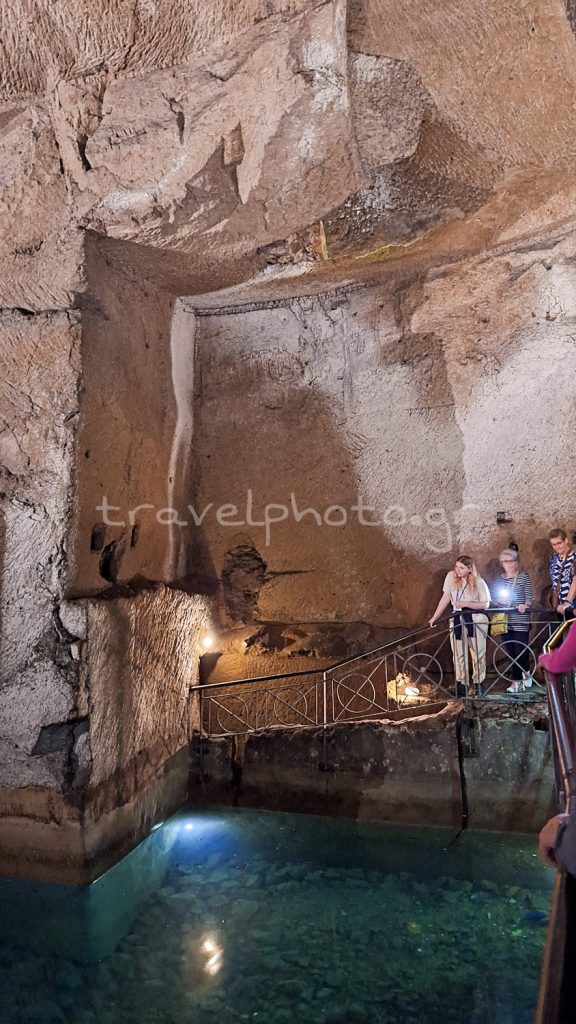
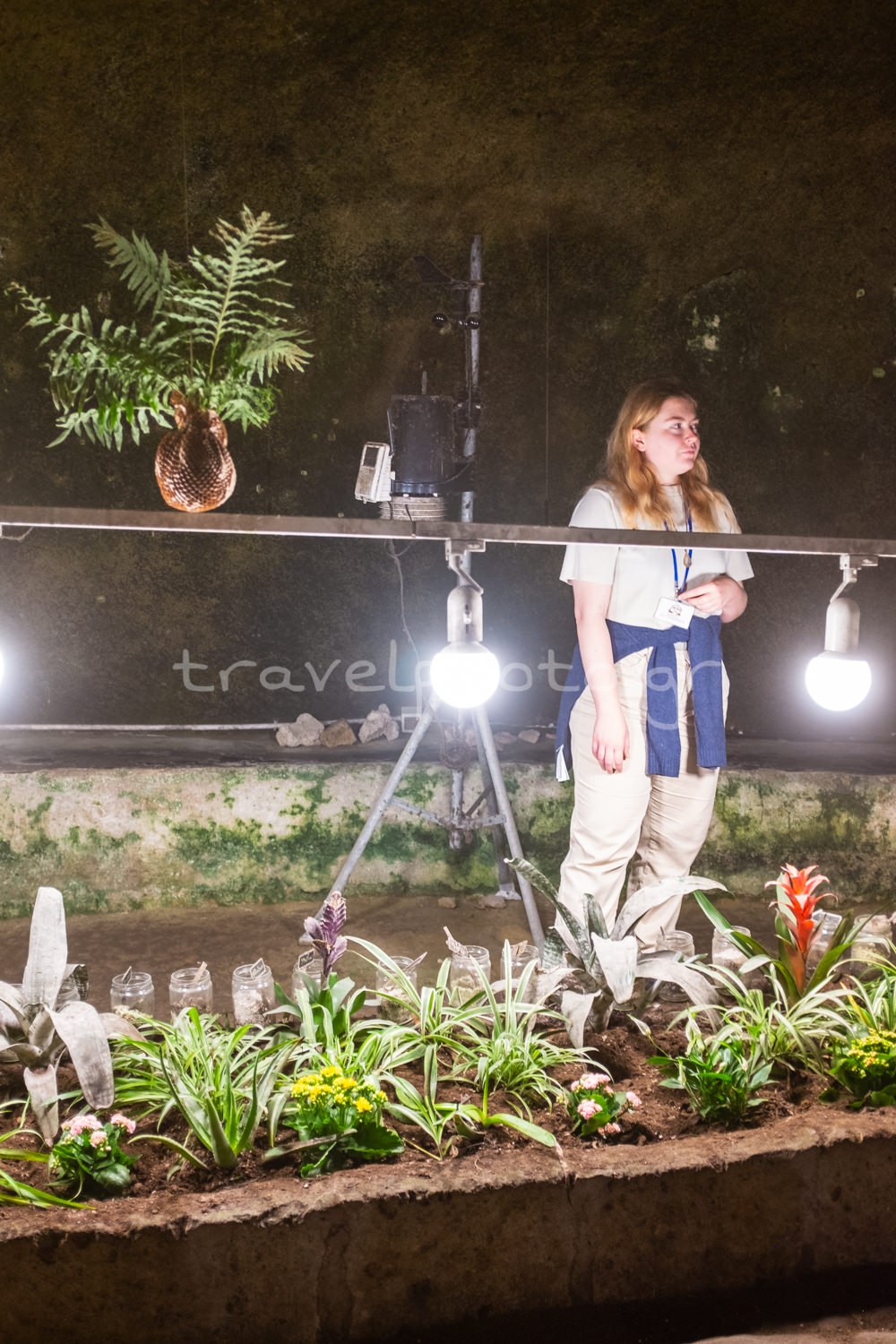
The underground Naples was not in our plans when we visited the city as we didn’t even know it existed. And yet, 40 meters below the surface of the bustling Italian city, the first ancient Greeks, who founded their New City (Naples > Naples), began to dig and create an underground network that still serves the citizens of Italy’s third largest city, even today, now a tourist destination.
- Accommodation in Naples
- Photos from the underground Naples
- Map with exact location and other attractions
Touring the underground Naples with its vast network of roads, tunnels, cisterns and caves is something I highly recommend. To enjoy it there are three different suggestions or companies that organize your descent about 40 meters below Naples!
We happened to visit Napoli Sotteranea (there is also Neapolis Sotteranea quite close by and another one I can’t remember the name of. However, all three have good reviews and we were very satisfied with our almost 1.5 hour tour with an English-speaking guide).
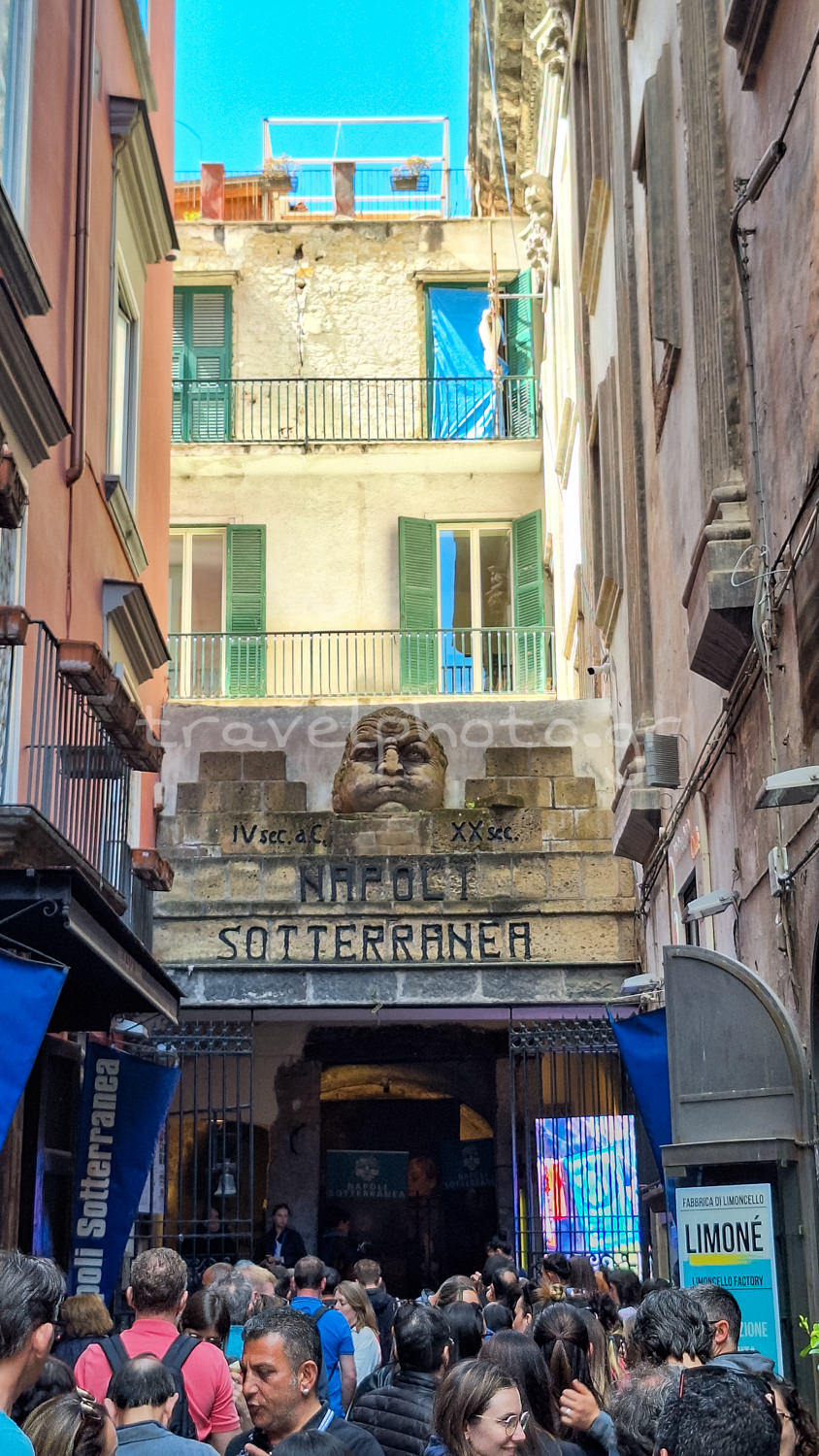
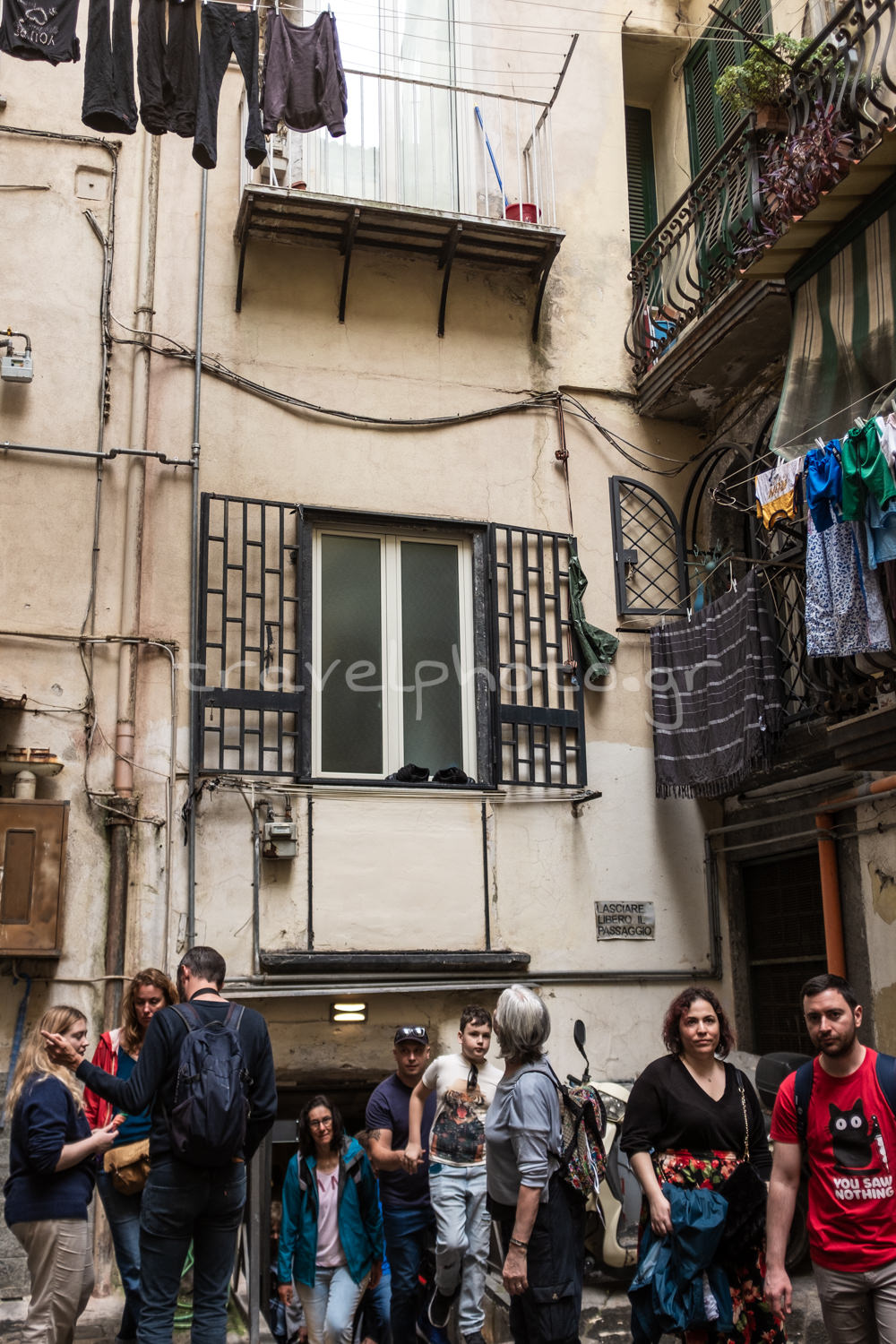
The entrance takes a bit of searching, see link here, and it’s a good idea to book tickets online. If there’s no availability on their website, you can go 10 minutes before each exactly and expect to get a ticket on the spot.
The south-eastern chaos prevails there as well, and it’s a good idea to have cash because otherwise they put you aside to give tickets first to those who have them and then to those with a card. The ticket is stingy, 15 euros for adults and less for children.
Guide for the Underground Naples
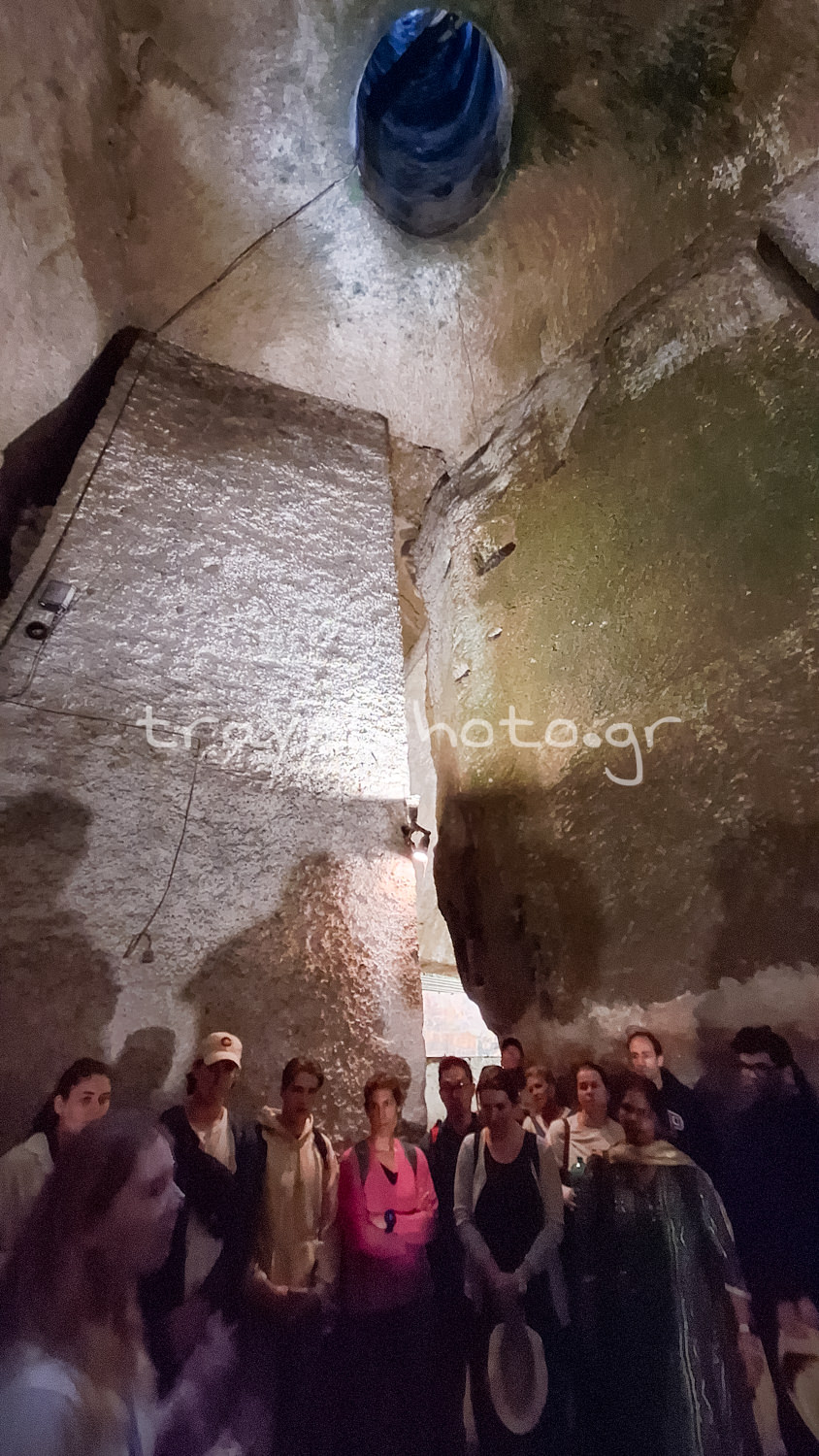
The price fortunately includes a guide, in English if you don’t speak Italian, for the whole group with whom you will visit the underground Naples. This is why it is important to be in the right queue to get a ticket. Not that it’s difficult but you never know so they change it (the first time the line for English was on the right and half an hour later when we went back they had moved it to the left).
Our guide was excellent and enhanced the quality of the tour in such a special historical and geological part of the city.
The history of underground Naples
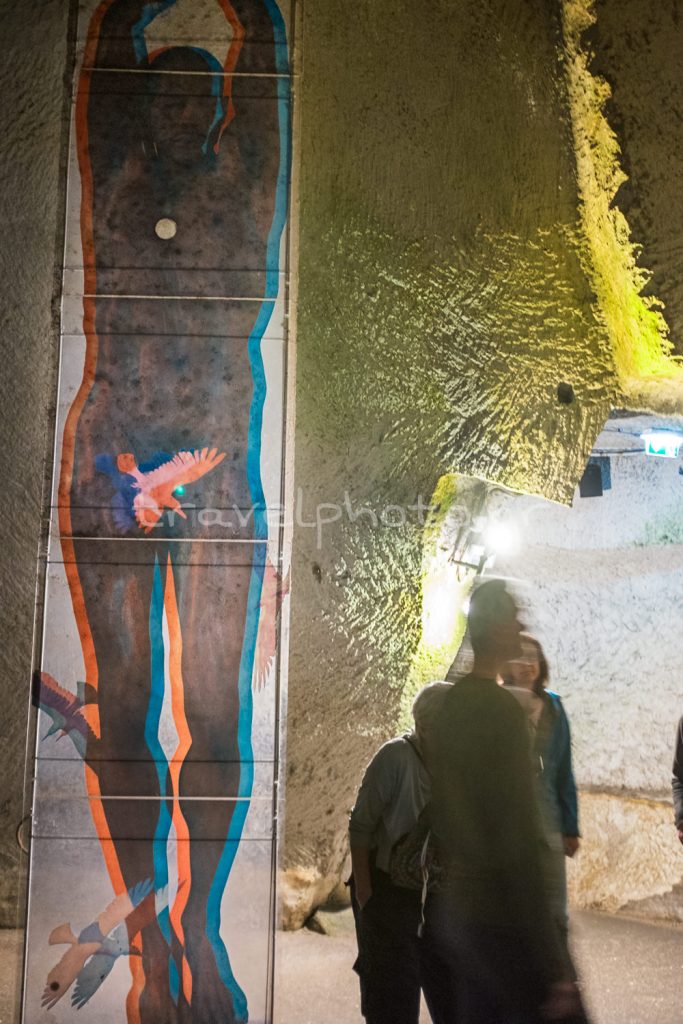
For the record, the underground Naples was built by the ancient Greeks who, when they started to build their new city (Naples > Naples) found that the volcanic rock tuff has anti-vibration properties. This of course would help a lot in dealing with the frequent earthquakes that plagued the area due to Vesuvius as well as the unknown, but much larger, volcano in the area called Campi Flegrei.
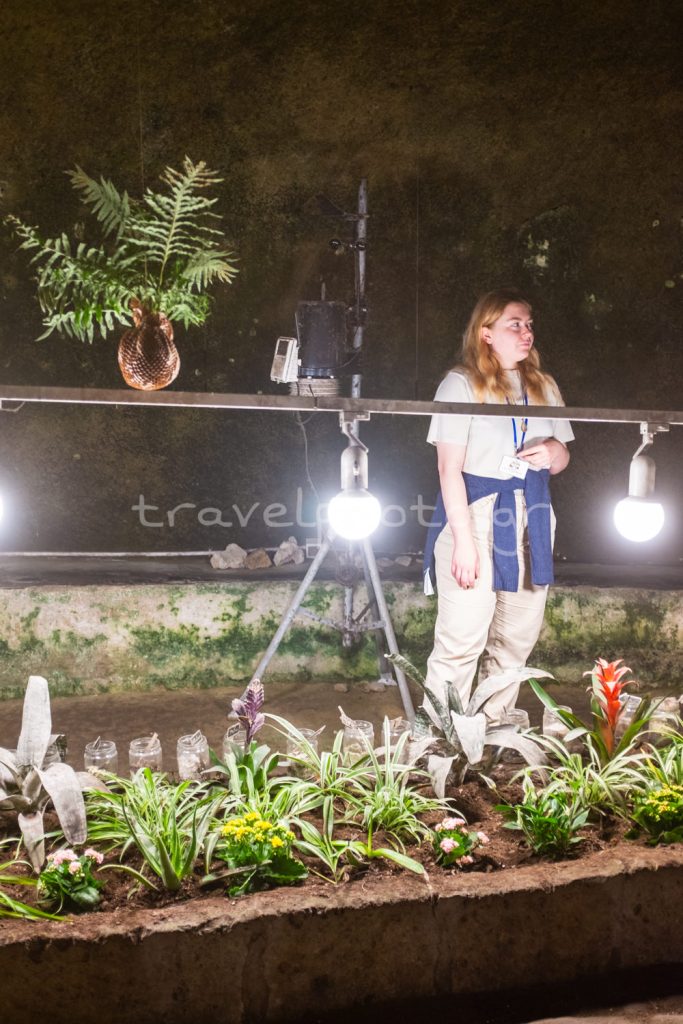
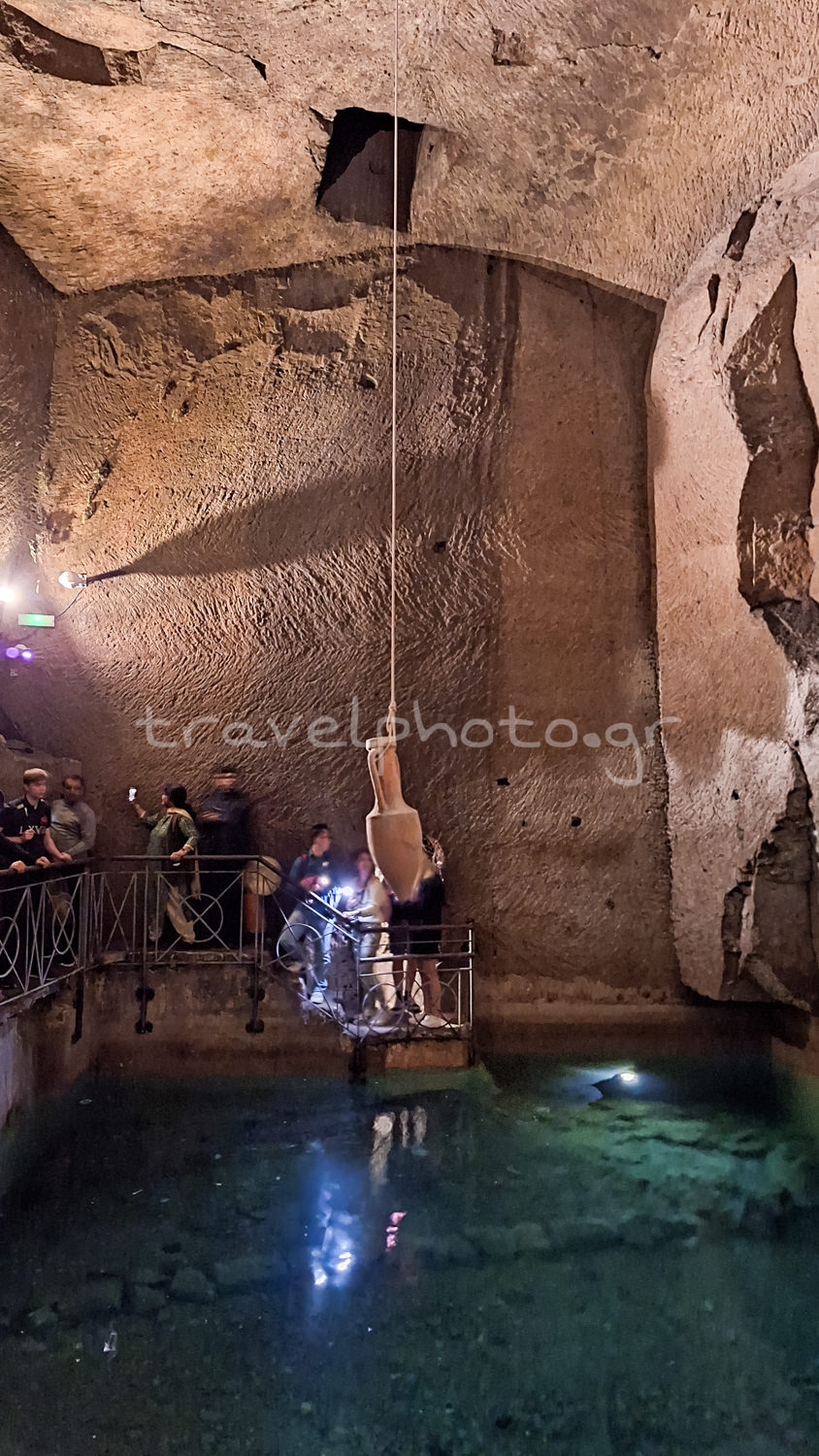
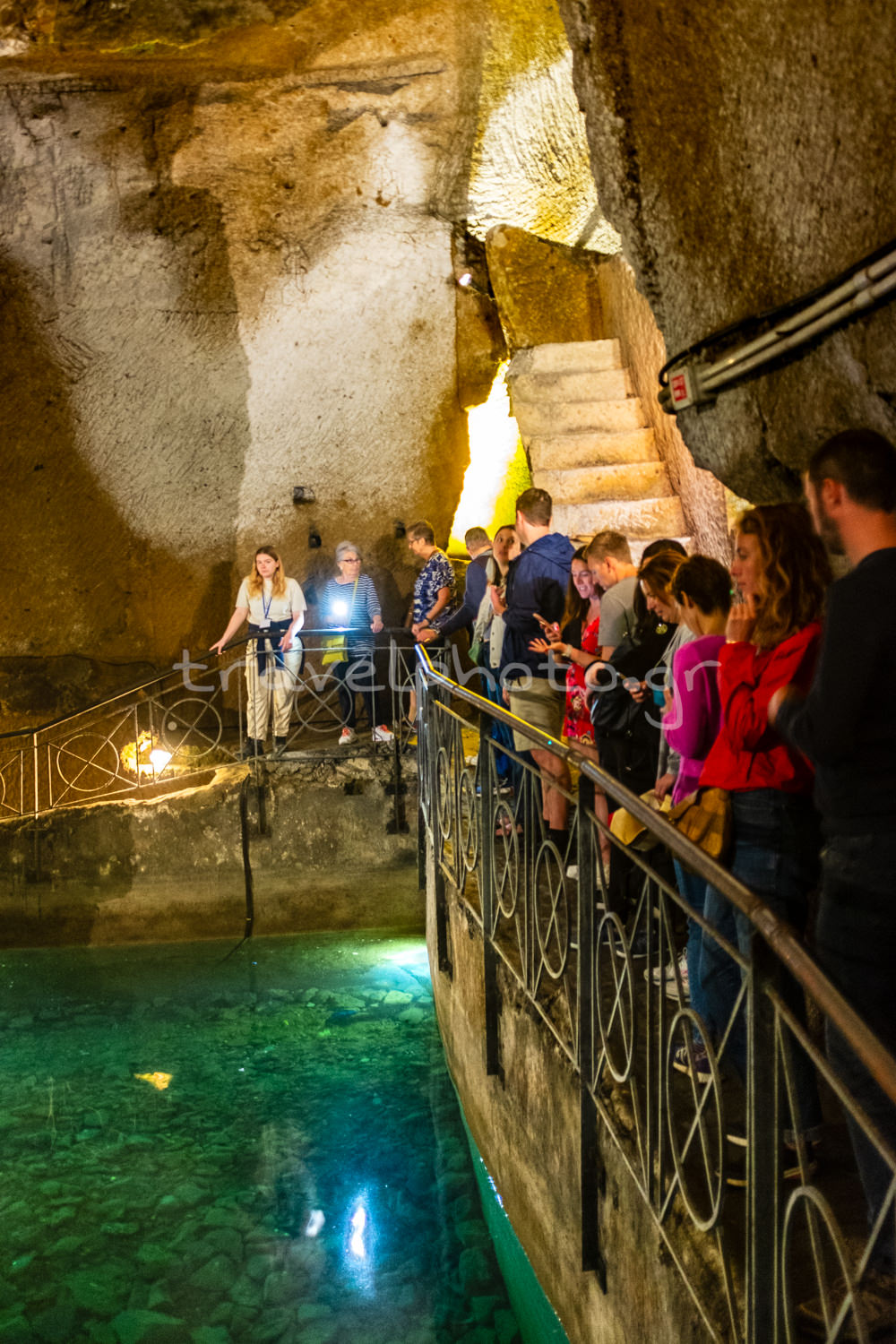
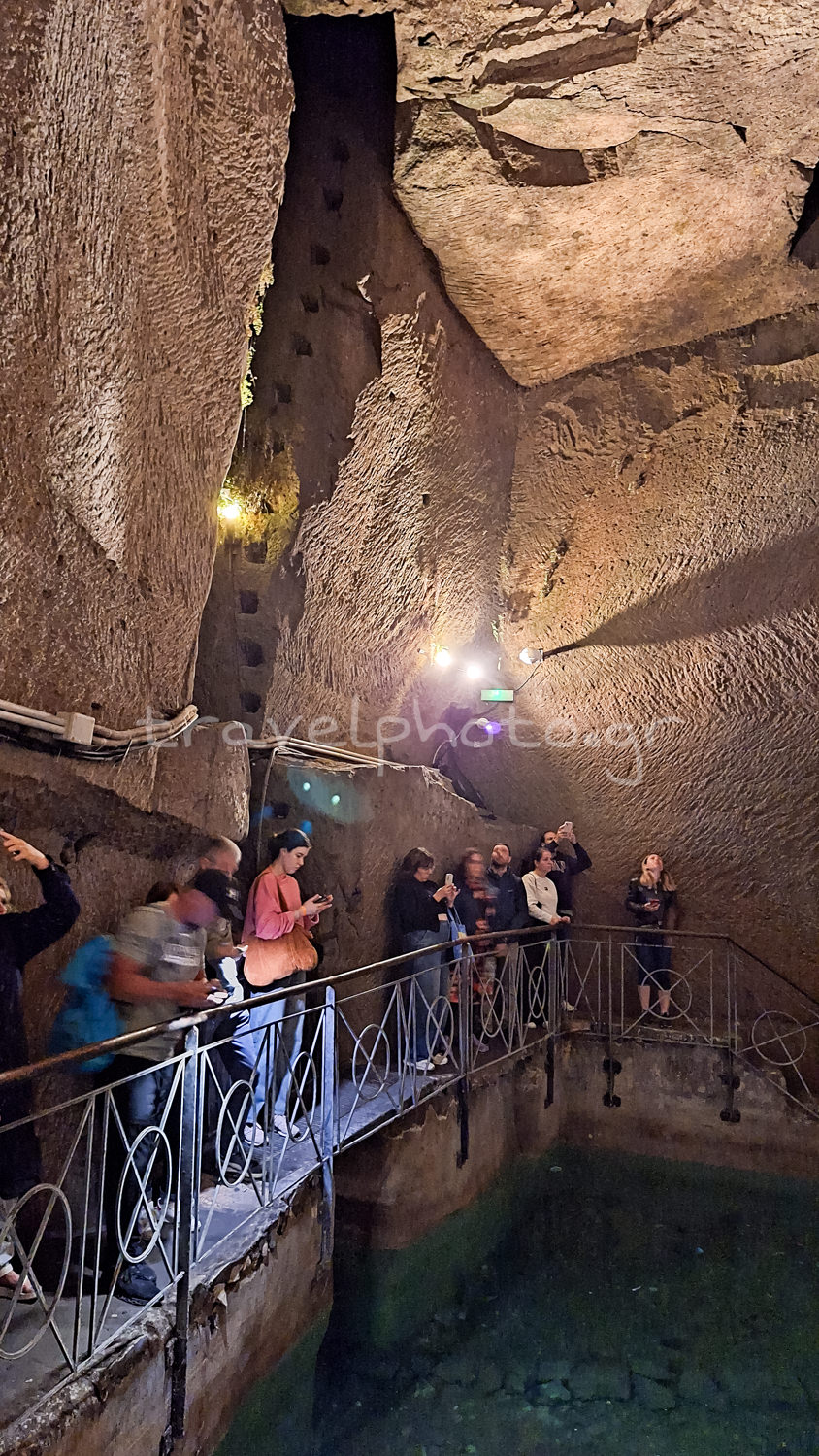
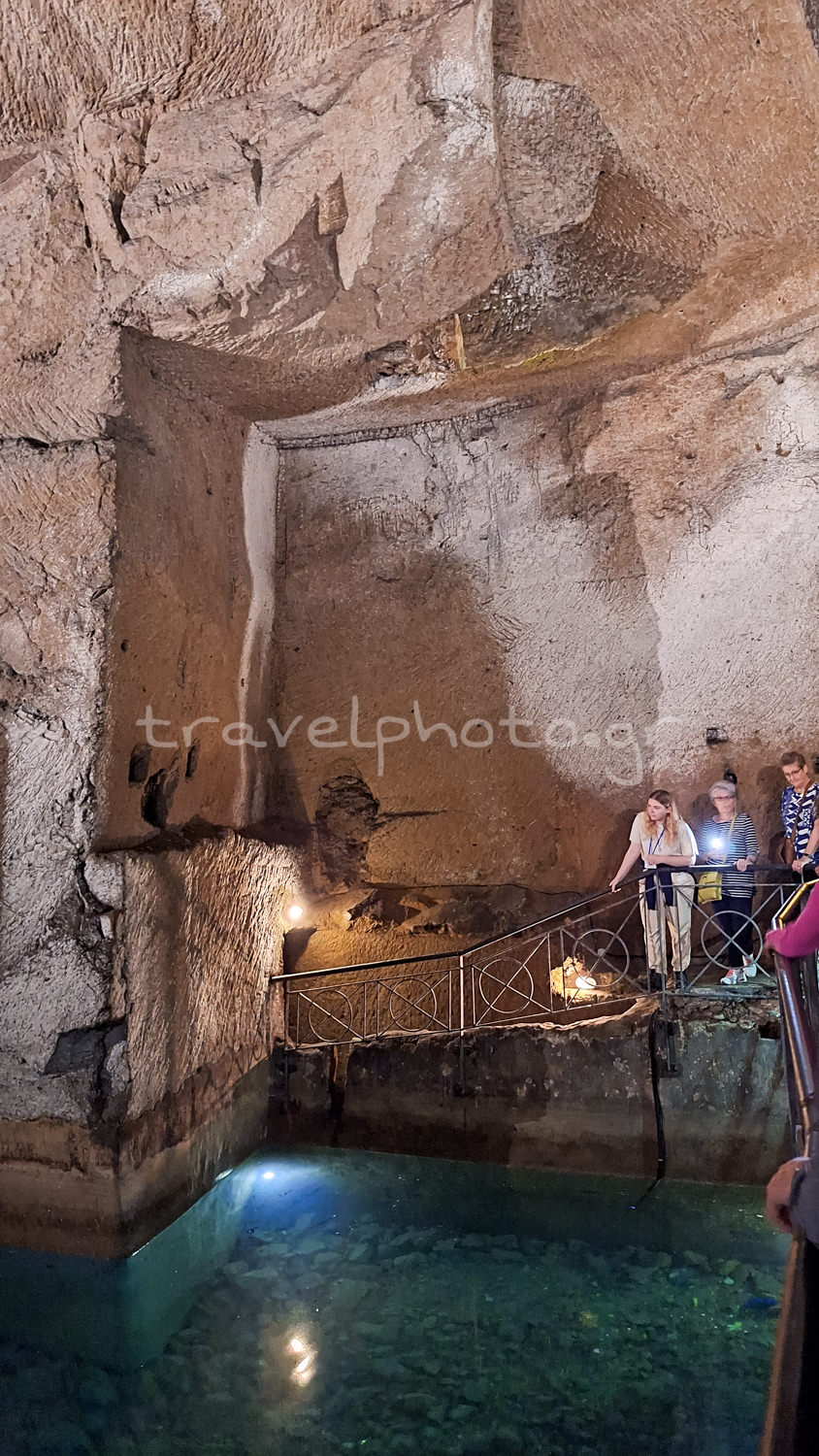
So they decided to build the limestone mine 40 metres below the surface. Over the years, the mine spread out with a huge network of underground roads and tunnels and its use changed several times.
For several centuries the underground Naples served as an aqueduct that watered the whole city, after rivers were diverted and their waters were poured there, filling the underground galleries with fresh water, while in the 19th century, after a major contamination of the aquifer, it was turned into a landfill!
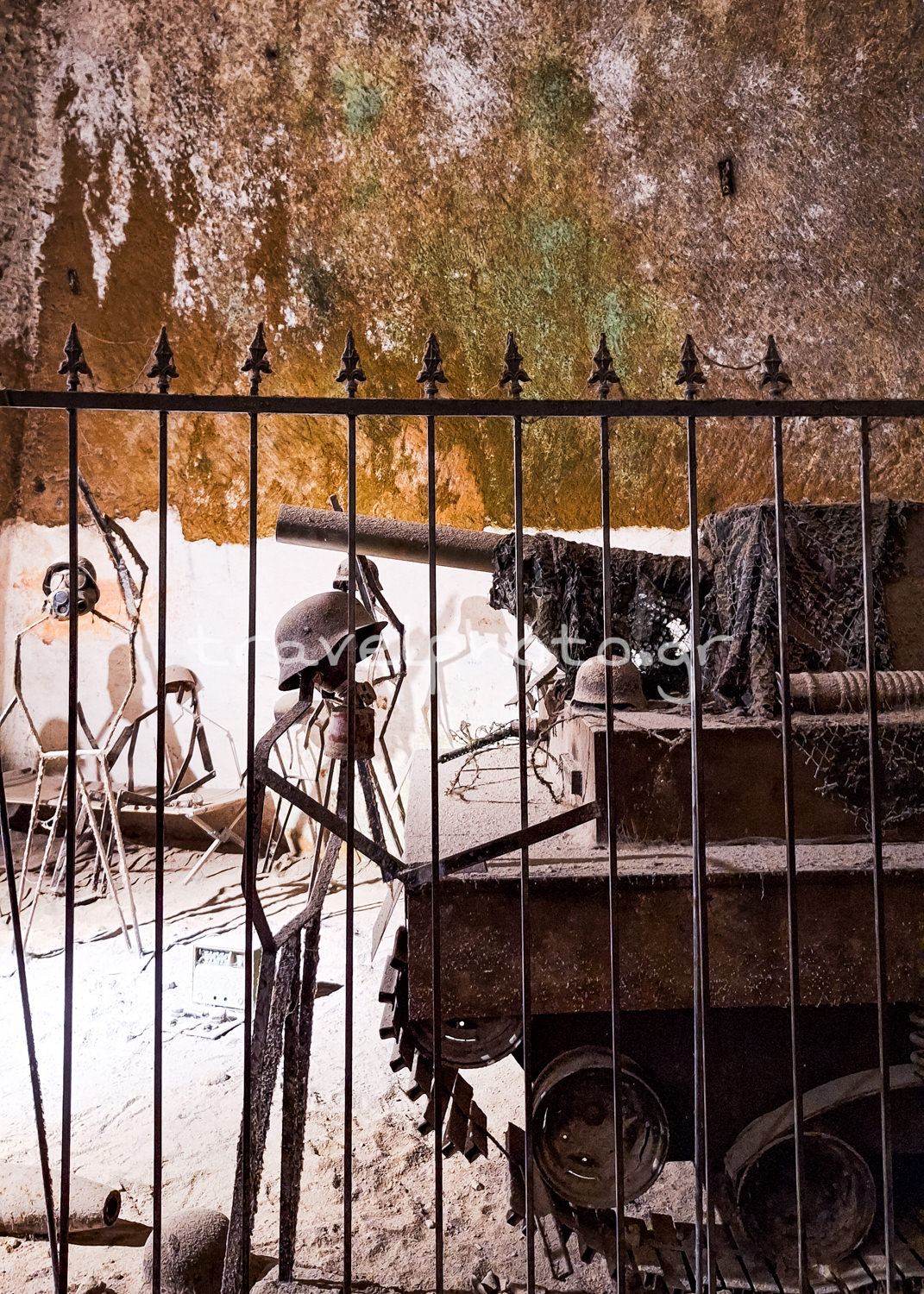
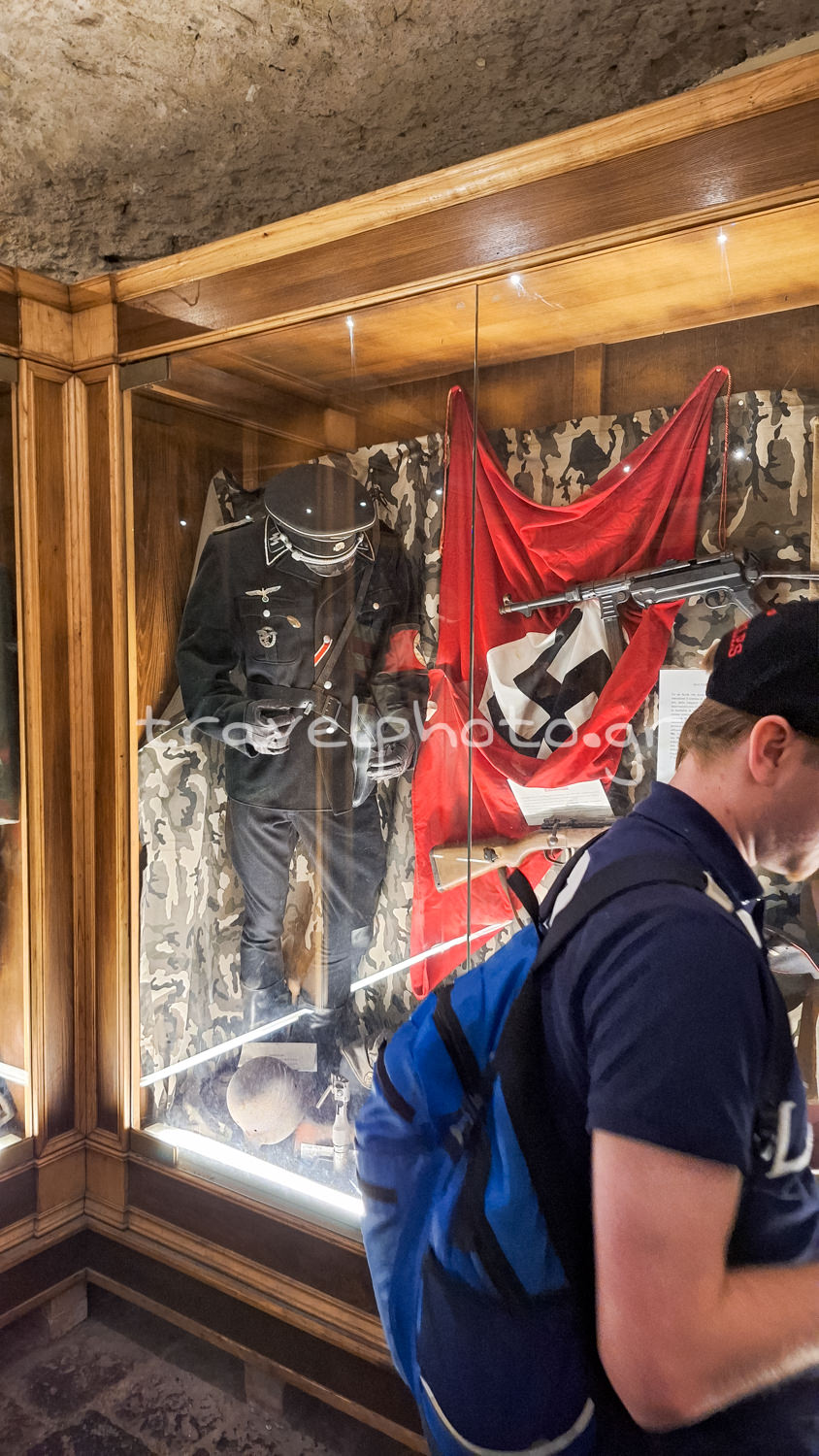
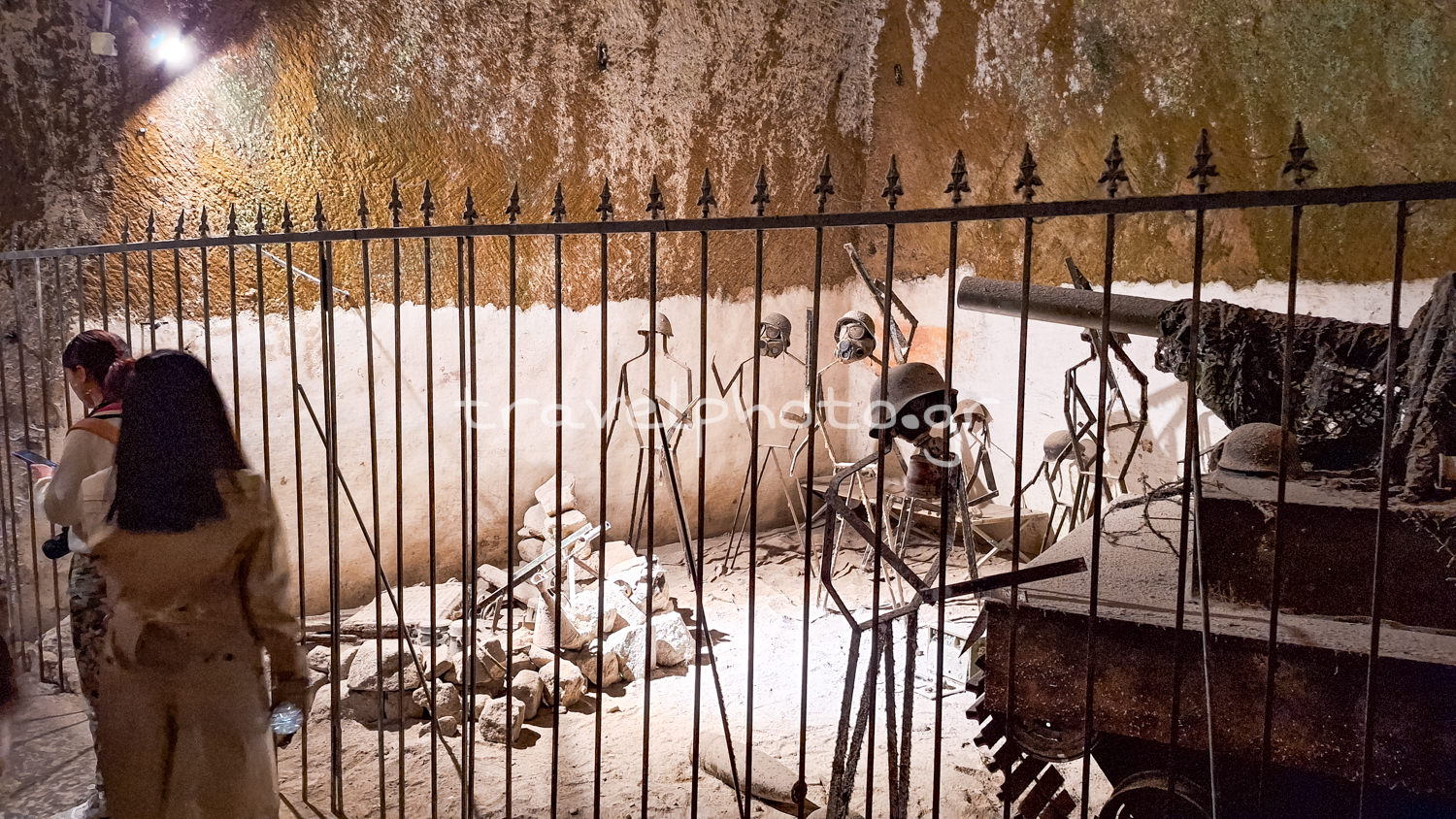
It was filled with rubbish which the Neapolitans were forced to cover with cement during the years of the Second World War. This was so that the ancient Greek limestone mine could be transformed into a vital shelter from the relentless bombardment of Naples by both the Allies at first, and then by the Germans when Italy changed sides during the Second World War.
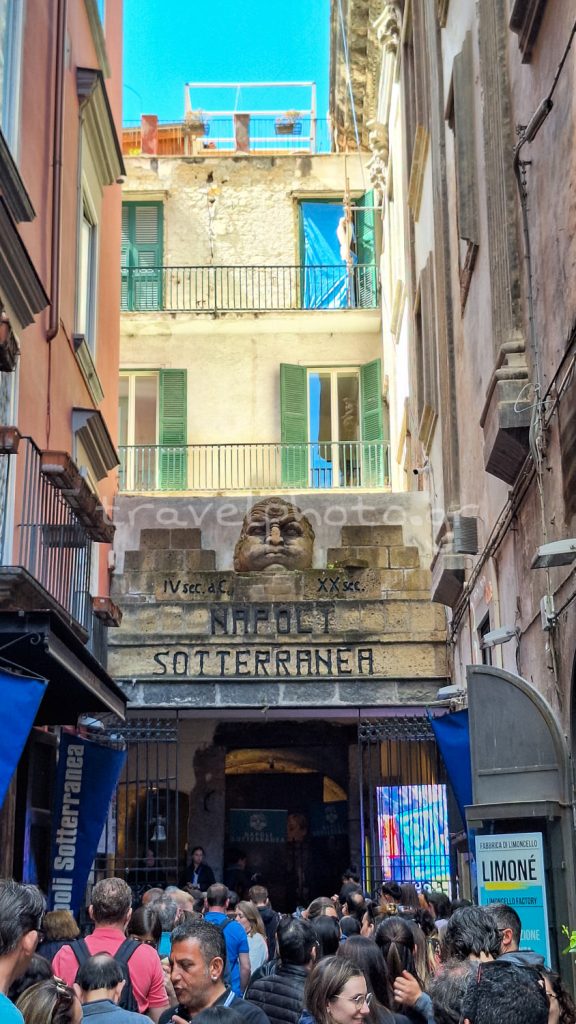
As we said above, to find the entrance to Napoli Sotterranea in the maze of Naples, it is advisable to enter the following address in your mobile phone.
The lost ancient theatre of Naples
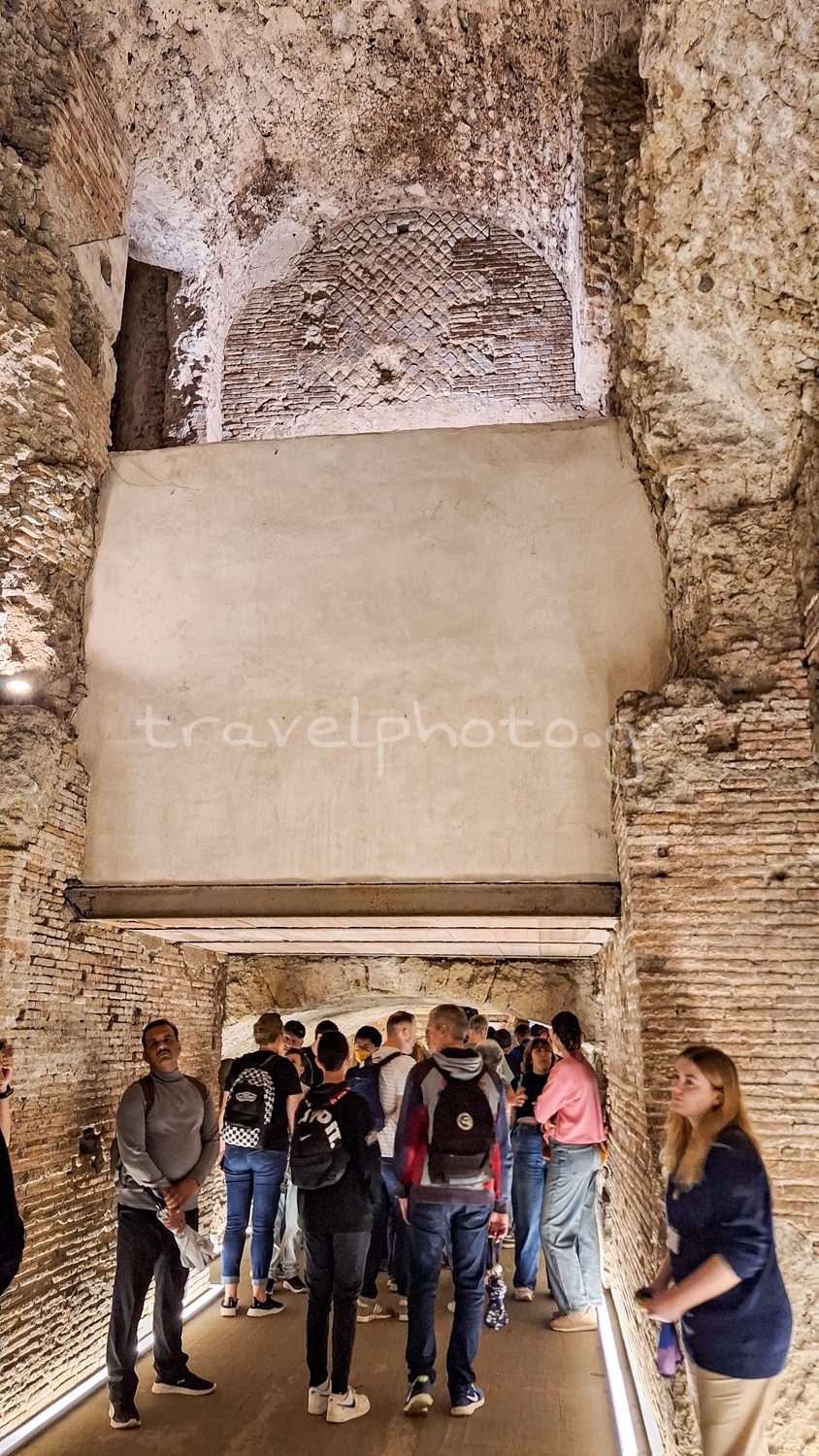
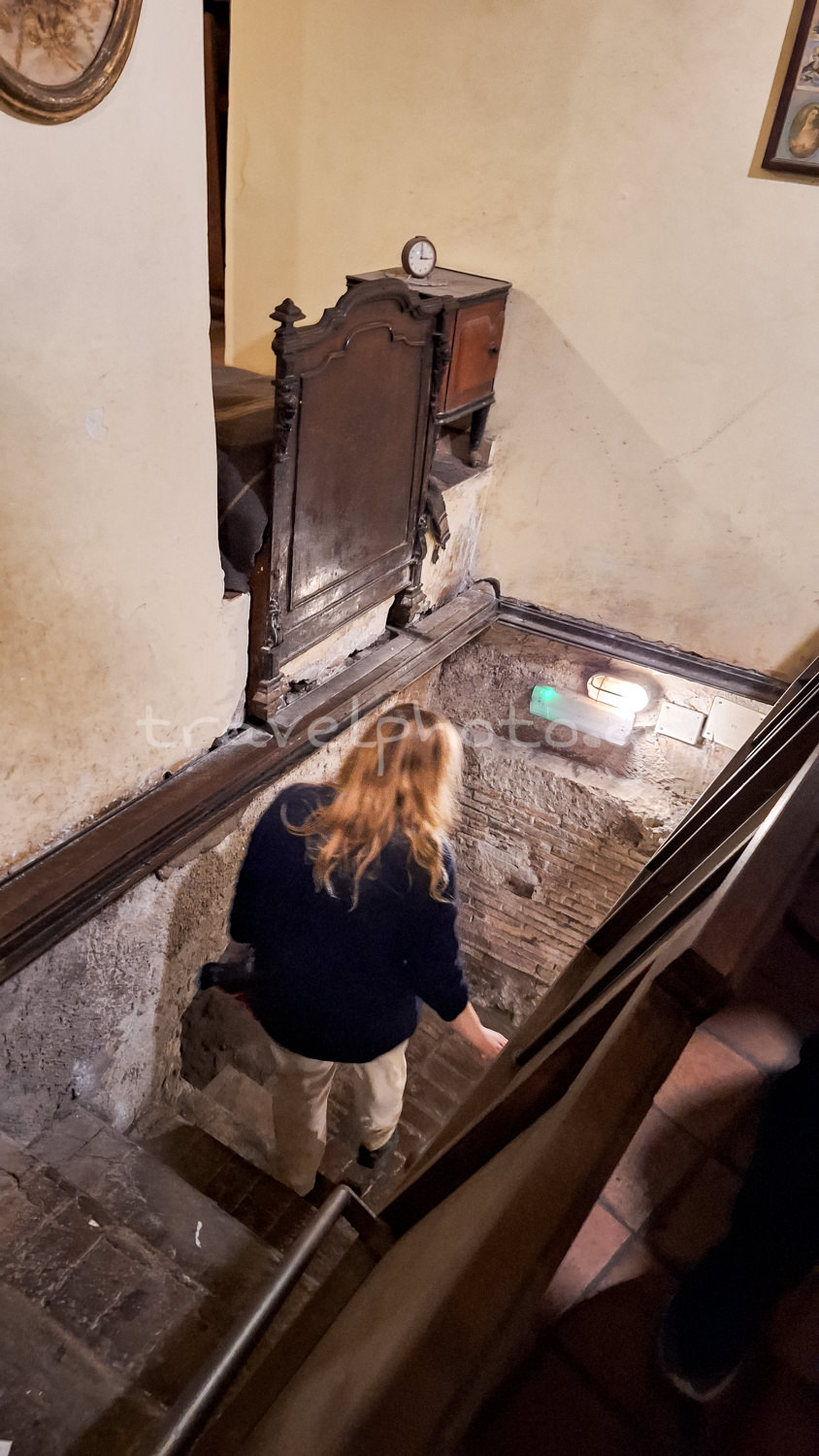
Our tour ended in town in an unexpected way. Of course, this time you will have to climb the 135 or so steps that will bring you to the surface and fresh air in order to visit the ancient theatre of Naples. Which it will take you a while to realize where it is as they have incorporated it into the urban landscape of the city.
In short, the Neapolitans made it part of their homes. They probably didn’t love it enough as it was the place where Nero himself used to recite and star, who loved the theatre and speaking Greek. Since the Neapolitans spoke Greek, Nero took the opportunity and took it for days in their theatre. Forcing the townspeople to stay for hours or even days in the theatre in order to enjoy his …follies.
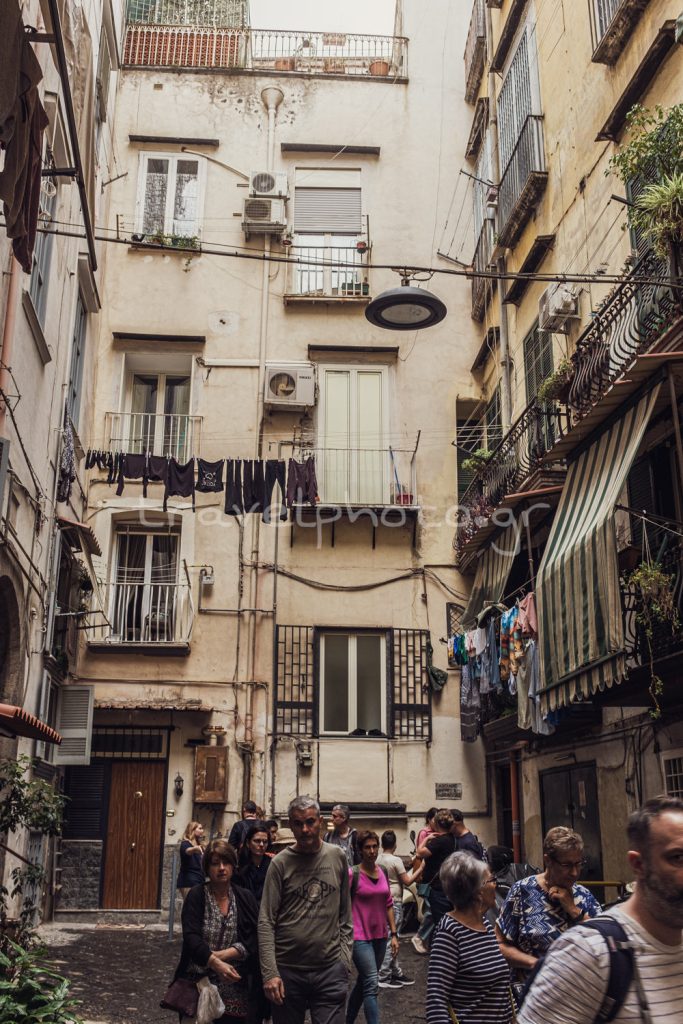
A painful history and probably that is why the theatre after Nero and the advent of Christianity did not come out clean and was almost wiped out by the Neapolitans who made it almost entirely building materials. You only have to look at the exit of the ancient theatre (photo just above) to understand this.
Accommodation in Naples
Find the area you want on the map or open this link on booking.com which will take you directly to historic Naples and the special narrow streets of the old town.
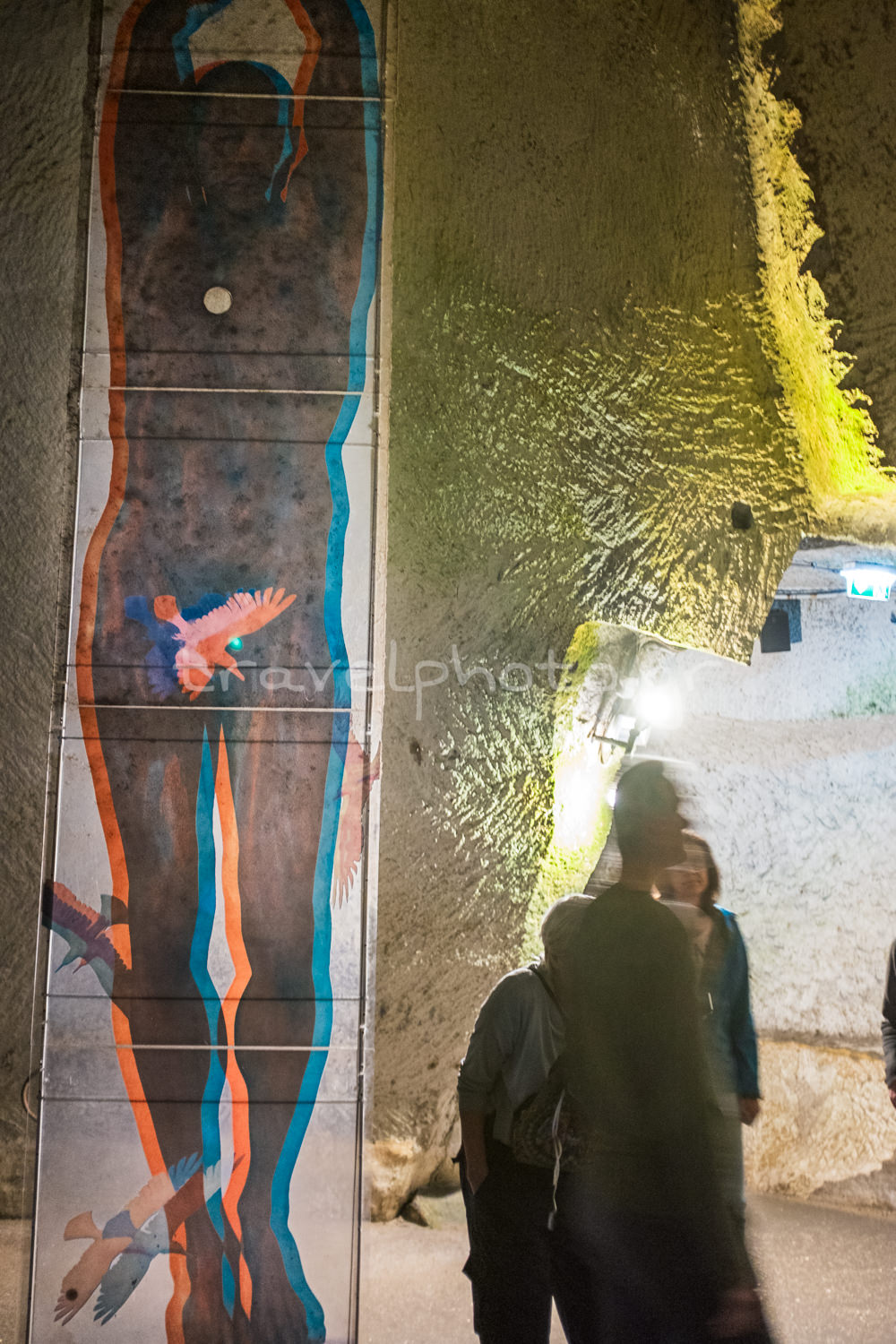
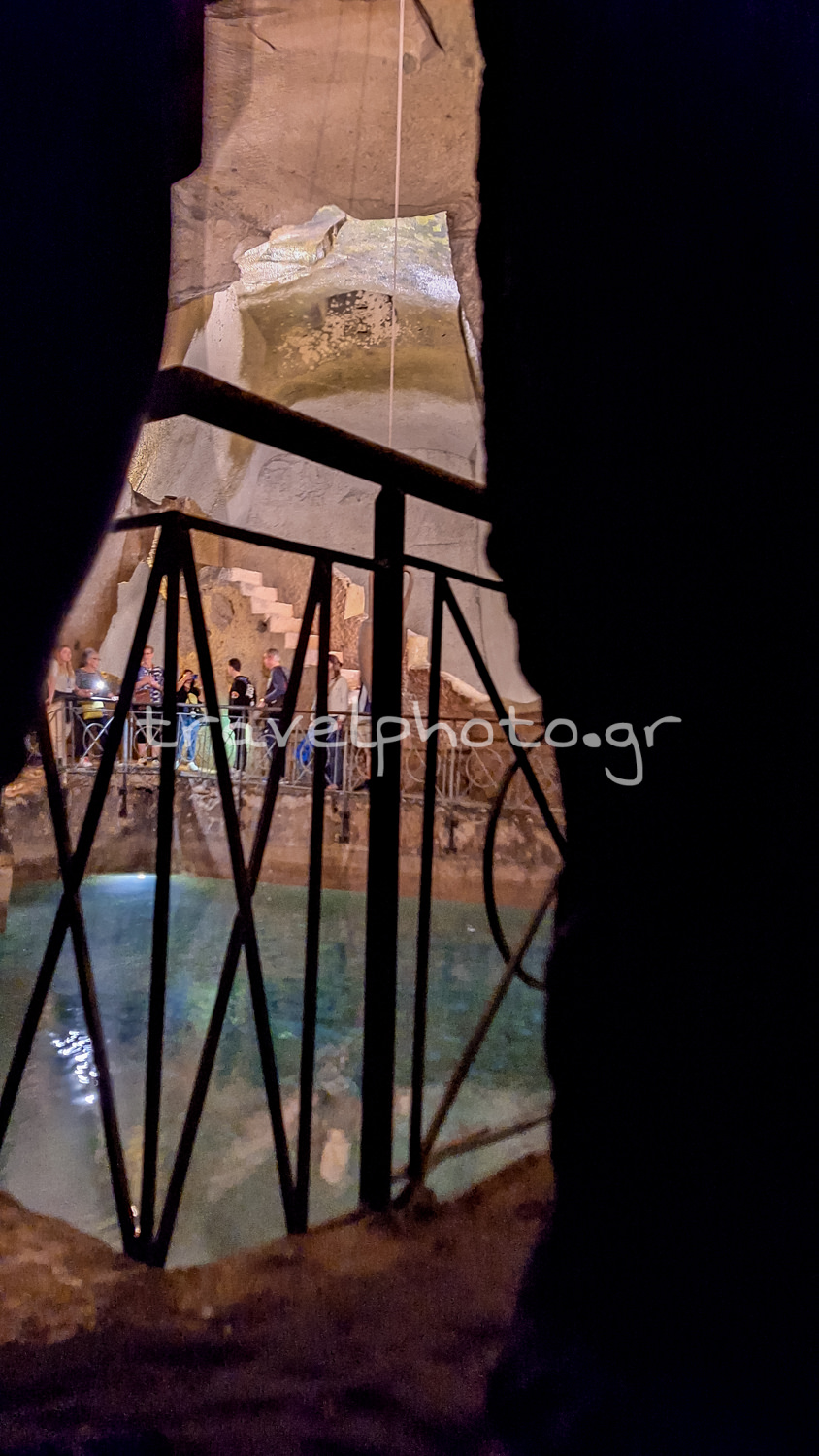
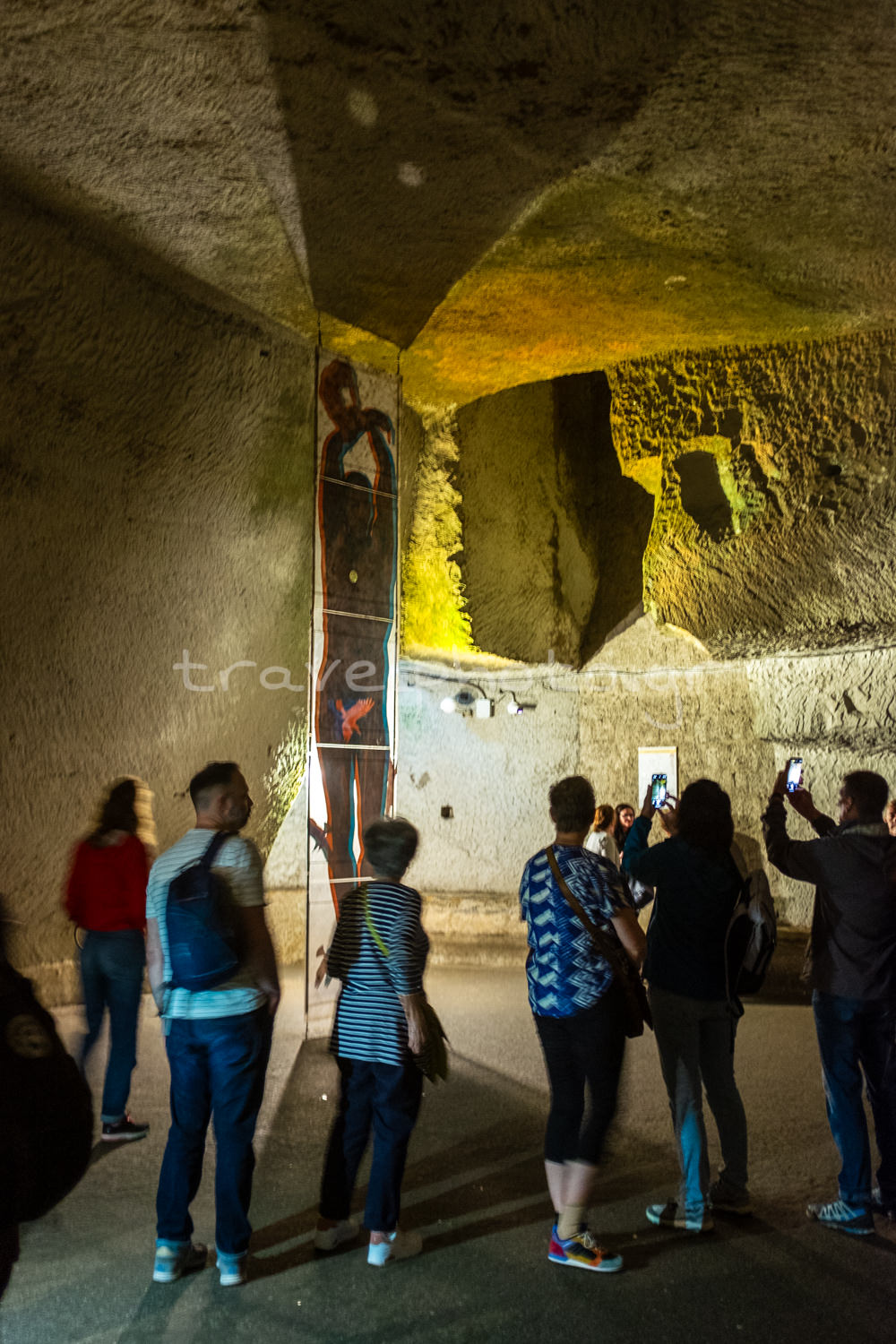
Photos from the underground Naples


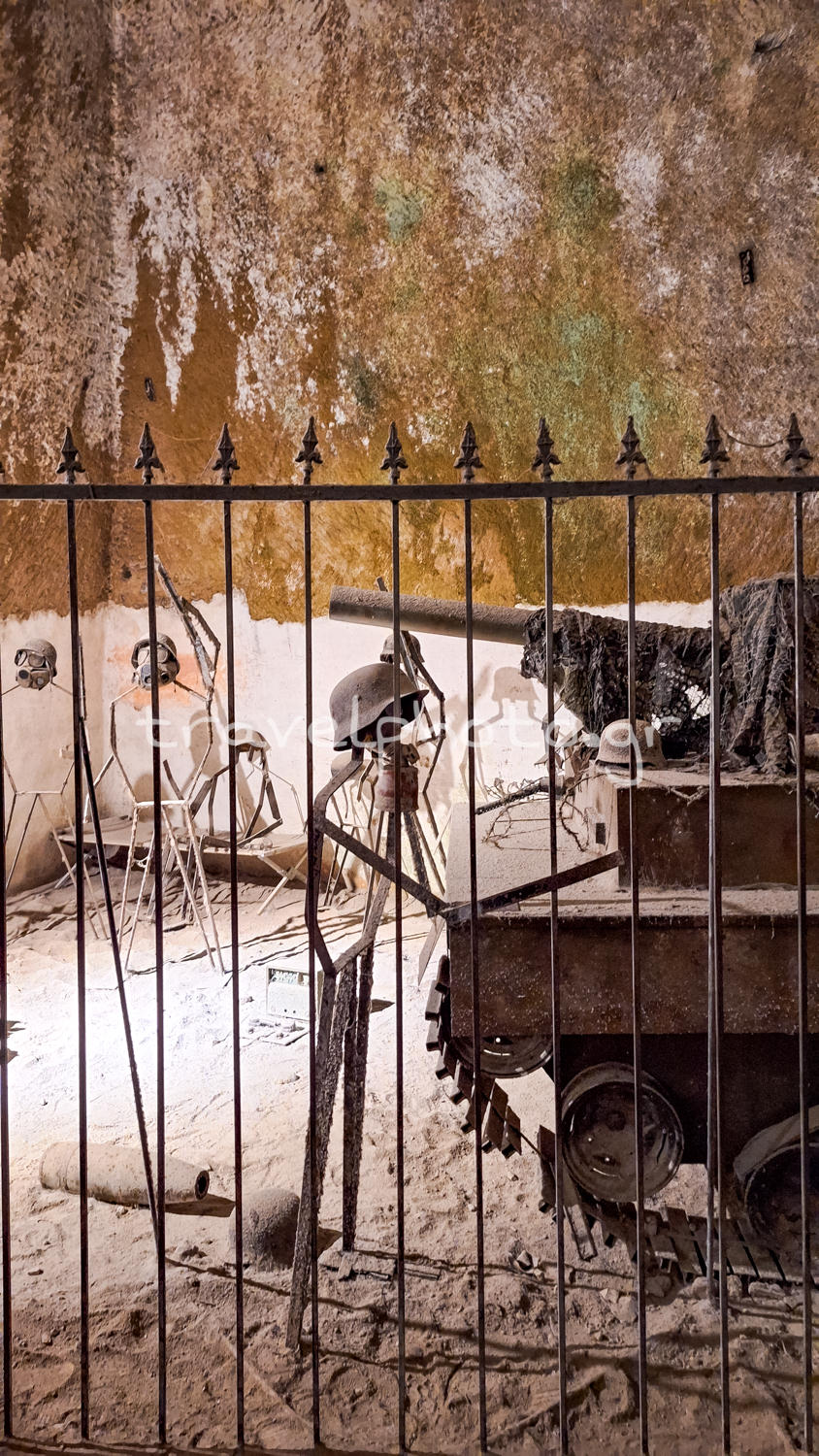
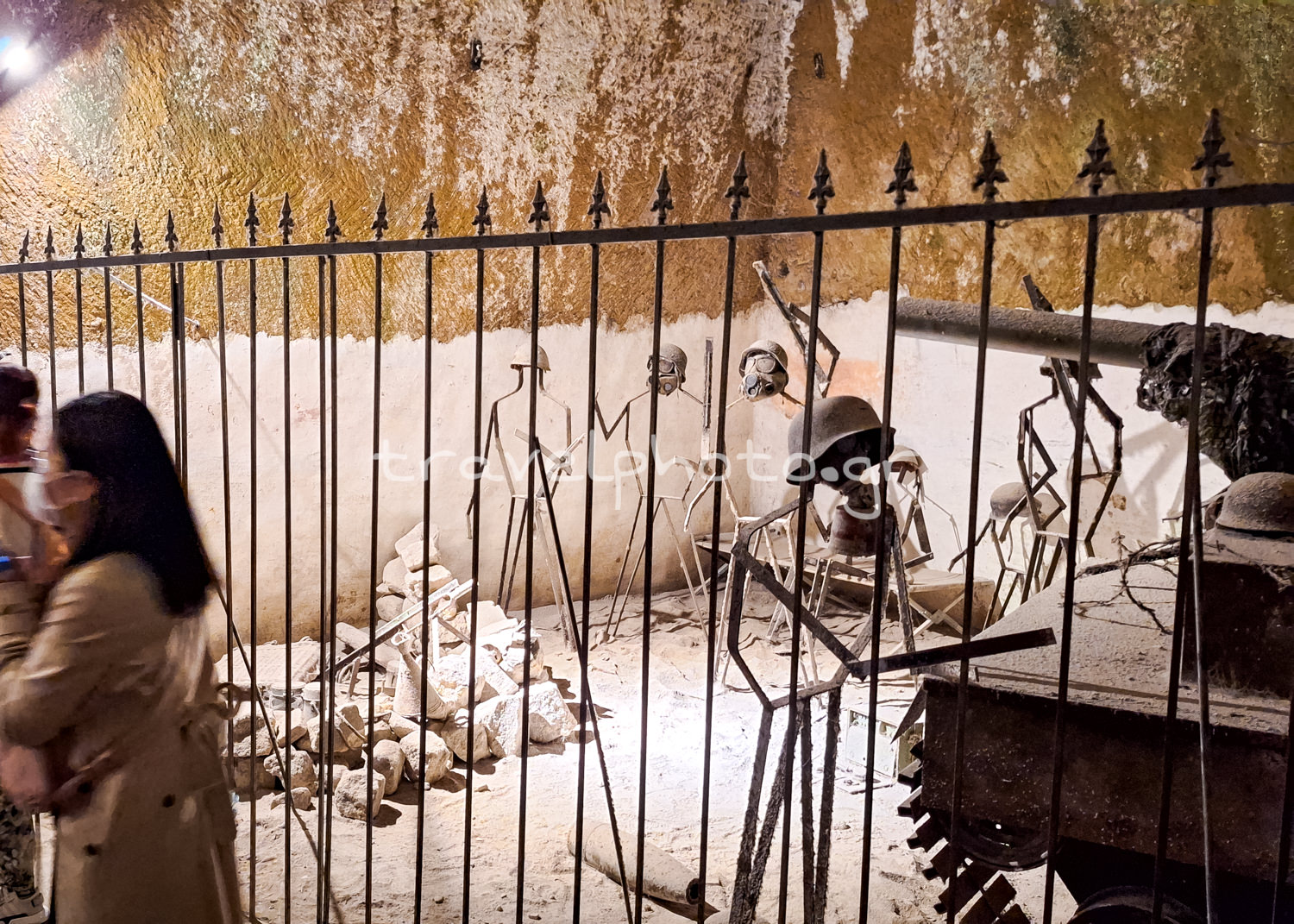
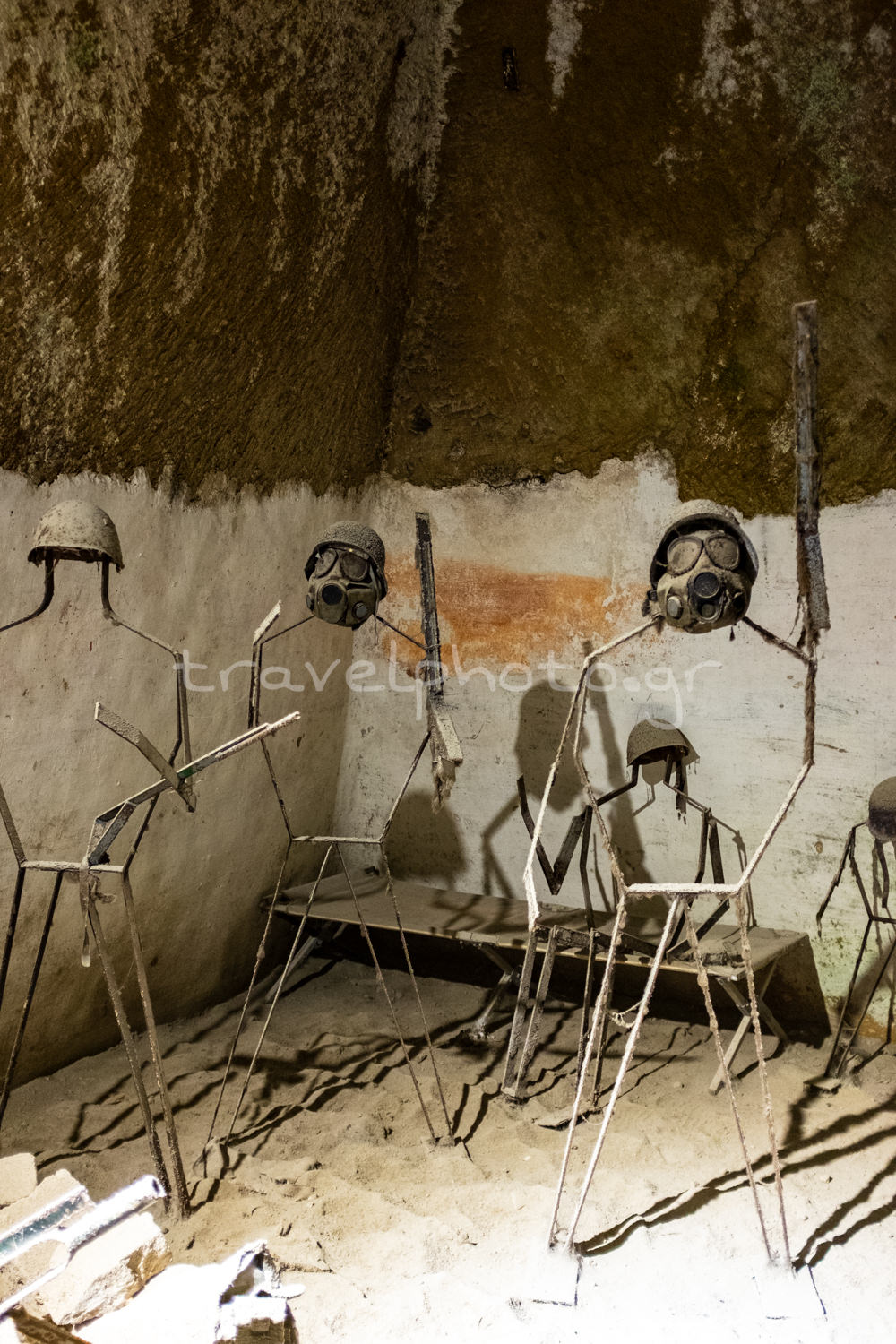
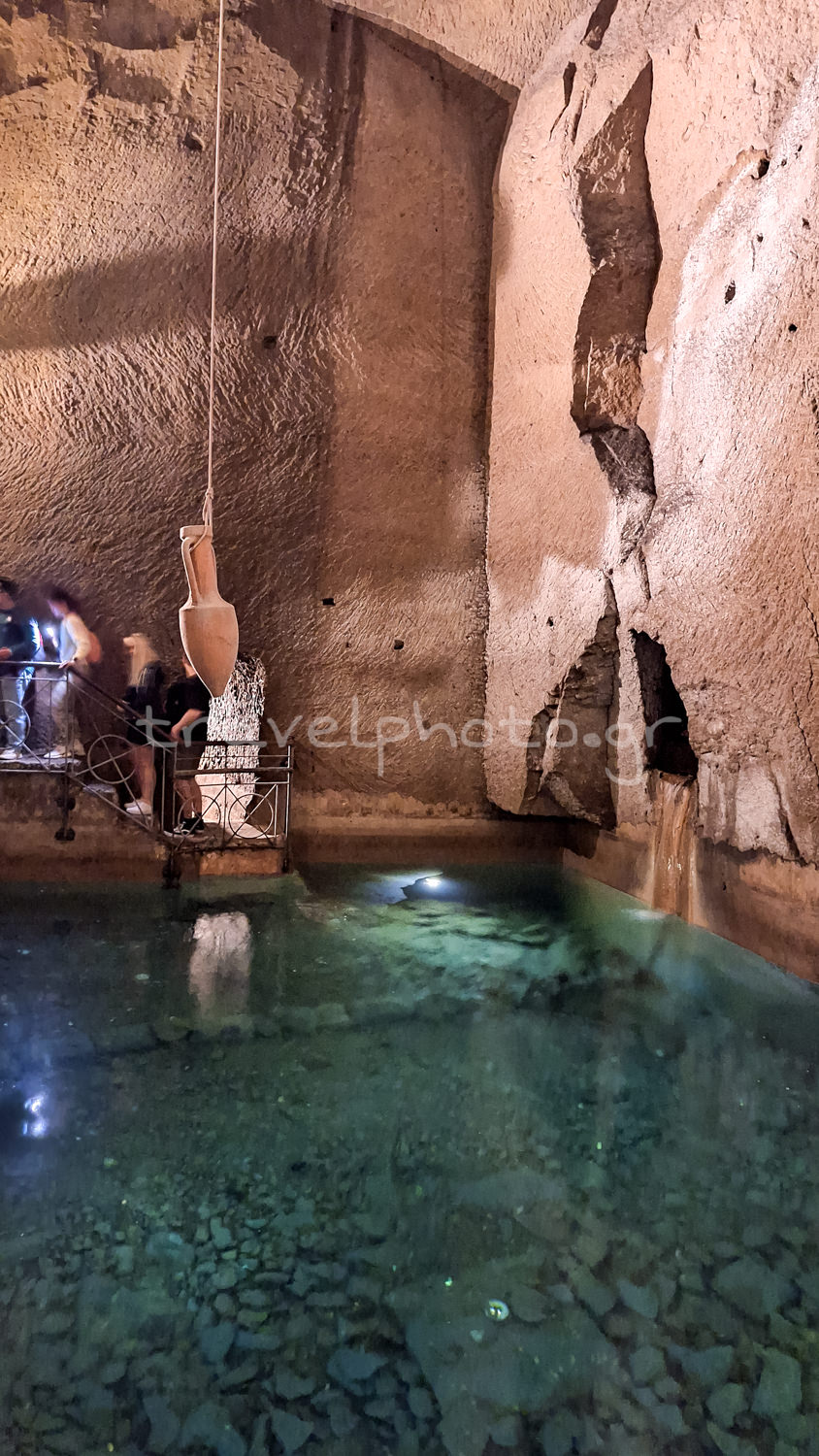
Map of Naples, Vesuvius and Pompeii
Βεζούβιος, φωτογραφίες και άρθρο
Sentiero del Grande Cono, Ercolano, Napoli, Campania, 80040, Italy
Πομπηία, φωτογραφίες και χρήσιμες πληροφορίες
Pompei, Napoli, Campania, 80045, Italy
Για ωραία θαλασσινά
Vico Portosalvo, Torre del Greco, Napoli, Campania, 80056, Italy
Capri, Anacapri, Napoli, Campania, Ιταλία
Για τέλεια θέα στη Νάπολη και τον Βεζούβιο.
Largo San Martino, Vomero, Municipalità 2, Naples, Napoli, Campania, 80135, Italy
Υπόγεια Νάπολη, δείτε το άρθρο
Antica Trattoria da Carmine, 330, Via dei Tribunali, San Lorenzo, Municipalità 4, Naples, Napoli, Campania, 80138, Italy
Piazza Giuseppe Garibaldi, Rione Vasto, Municipalità 4, Naples, Napoli, Campania, 80142, Italy
Naples, Napoli, Campania, Italy
Via Luculliana, Pizzofalcone, Municipalità 1, Naples, Napoli, Campania, 80132, Italy
The Duomo House by House In Naples, 133, Via Duomo, San Lorenzo, Municipalità 4, Naples, Napoli, Campania, 80138, Italy

Leave a Reply